
The Benefits of GLOW Peptide Blend: A Comprehensive Review

The Benefits of GLOW Peptide Blend: A Comprehensive Review

The GLOW Peptide Blend combines BPC‑157, TB‑500, and GHK‑Cu into a synergistic formula that supports faster healing, reduces inflammation, enhances skin health, and promotes tissue regeneration. It is widely studied for anti‑aging, recovery, and overall wellness benefits.

🔬 What is the GLOW Peptide Blend?

  • Definition: A physician‑formulated peptide therapy that merges three powerful peptides: BPC‑157, TB‑500, and GHK‑Cu.
  • Purpose: Designed to accelerate recovery, rejuvenate skin, and reduce inflammation.
  • Mechanism: Works by stimulating collagen production, enhancing cellular repair, and encouraging new blood vessel formation.

⚡ Key Benefits

1. Enhanced Healing & Recovery

  • BPC‑157 promotes tendon, ligament, and muscle repair.
  • TB‑500 supports wound healing and tissue regeneration.
  • Together, they accelerate recovery from injuries and reduce downtime.

2. Anti‑Inflammatory Effects

  • Reduces chronic inflammation in tissues.
  • Improves mobility and supports recovery in degenerative conditions.

3. Skin Health & Anti‑Aging

  • GHK‑Cu stimulates collagen and elastin production.
  • Improves firmness, elasticity, and reduces wrinkles.
  • Promotes radiant, youthful skin.

4. Tissue Regeneration

  • Encourages angiogenesis (new blood vessel growth).
  • Enhances nutrient delivery and oxygenation to damaged tissues.

5. Whole‑Body Wellness

  • Supports cellular repair and overall vitality.
  • May improve hair growth and scalp health.

📊 Component Breakdown

PeptidePrimary RoleKey Benefits
BPC‑157Healing peptideMuscle, tendon, ligament repair; gut health
TB‑500Regeneration peptideWound healing, tissue repair, angiogenesis
GHK‑CuCopper peptideSkin rejuvenation, collagen synthesis, anti‑aging

⚠️ Risks & Considerations

  • Research status: GLOW peptide therapy is experimental; not FDA‑approved.
  • Side effects: Possible irritation, nausea, or unknown long‑term effects.
  • Medical supervision: Should only be used under professional guidance.

✅ Key Takeaway

The GLOW Peptide Blend offers a comprehensive approach to healing, anti‑aging, and regeneration by combining three synergistic peptides. While promising, it remains experimental and should be approached cautiously under medical oversight.

The Benefits of GLOW Peptide Blend: A Comprehensive Review

GLOW is one of the most promising and powerful peptides on the market due to the manufactured combination of three individually incredible peptides: BPC-157, TB-500 and GHK-Cu. Together, they represent an innovative and promising approach to regeneration and recovery, with the benefits of GLOW already popular among avid fitness enthusiasts.

Understanding the GLOW Peptide Complex

The three individual peptides that make up GLOW are powerful on their own merit, but by combining them, their benefits complement each other perfectly:

  • BPC-157 (Body Protection Compound-157): A gastric peptide with healing and protective effects
  • TB-500 (Thymosin Beta-4 fragment): A synthetic version of the naturally occurring peptide that promotes cell migration and tissue repair
  • GHK-Cu (Glycyl-L-histidyl-L-lysine copper complex): A copper-binding peptide with multiple regenerative and anti-ageing properties

Collaborative Benefits of GLOW Complex

GLOW is growing in popularity due to its comprehensive approach to healing and ability to combat signs of anti-ageing. It does this through mechanisms that complement each other:

  1. Enhanced Angiogenesis: All three peptides promote blood vessel formation, critical for delivering oxygen and nutrients to healing tissues.
  2. Balanced Matrix Remodelling: While GHK-Cu stimulates collagen synthesis, it also regulates matrix metalloproteinases, preventing excessive scarring.
  3. Comprehensive Anti-inflammatory Action: The blend together treats inflammation through multiple pathways, actively reducing proinflammatory cytokines and oxidative stress.
  4. Cellular Protection and Regeneration: The peptides not only stimulate new cell growth but also protect existing cells from damage.
  5. Improved Healing Environment: Together, these peptides create optimal conditions for tissue regeneration by modulating multiple cellular pathways simultaneously.

Who Can Benefit from the GLOW Peptide Complex?

The benefits of GLOW are particularly beneficial to those who take their health and fitness seriously, and is already widely used in these circles, however, they do extend beyond the health and fitness industry:

Athletes and Active Individuals

The healing properties of BPC-157 and TB-500 make this complex particularly valuable for:

  • Accelerating recovery from sports injuries
  • Supporting tendon and ligament repair
  • Reducing downtime after intense training
  • Potentially improving muscle recovery and growth

Aging Adults

GHK-Cu’s anti-aging properties benefit:

  • Those seeking to maintain skin elasticity and reduce signs of ageing
  • Individuals with age-related joint issues
  • Those experiencing a slower recovery from injuries
  • People concerned with age-related decline in tissue function

Individuals with Chronic Conditions

Research suggests potential benefits for:

  • Those with chronic inflammatory conditions
  • Individuals who typically suffer from wounds that are slow to heal
  • People recovering from surgery
  • Those with degenerative joint or soft tissue conditions

BPC-157: The Body’s Protective Compound

BPC-157 was initially used for its gastroprotective properties, mainly because it is derived from gastric juice. However, further studies have shown its benefits to the musculoskeletal system. 

Key Benefits of BPC-157

Targeted Pain Management

Through its direct anti-inflammatory properties, BPC-157 addresses pain at the source, instead of simply masking it. Although pain will naturally decrease as injuries and wounds heal, which BPC-175 can accelerate the healing of, it also influences dopamine and serotonin via neurochemical pathways, meaning it can positively affect pain perception. 

Proactive Injury Protection
BPC-157 strengthens connective tissues before problems develop, making it an excellent preventive treatment. By enhancing collagen production, it develops the resiliency and elasticity in tendons and ligaments within the body, making them less susceptible to injury. 

Advanced Joint Restoration

As we age and accumulate training experience, joint integrity becomes crucial; however, cartilage has a limited ability to heal itself. BPC-157 has shown promise in supporting cartilage health, mainly due to its anti-inflammatory effects; however, this benefit needs more research. 

Digestive System Regeneration

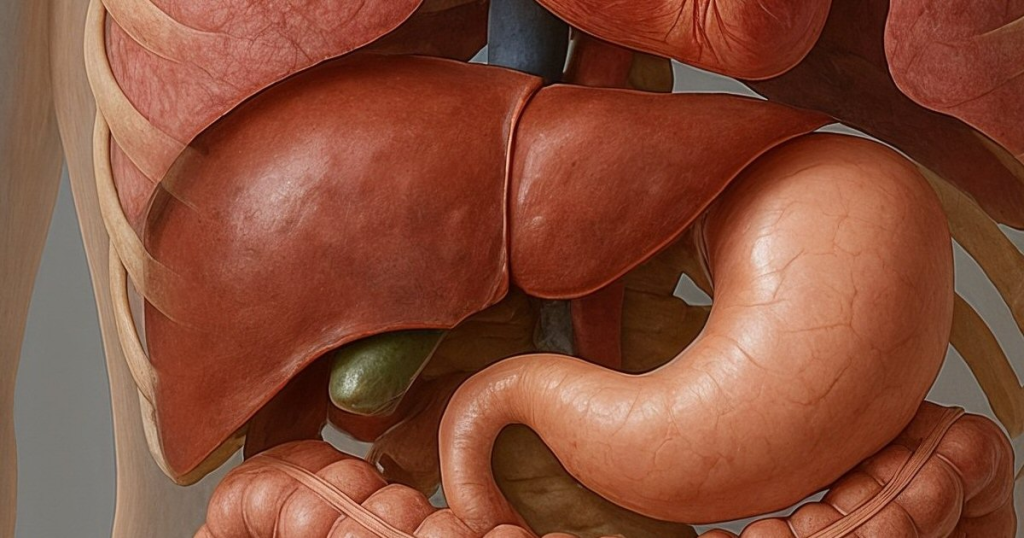
BPC, Body Protective Compound, was originally researched for digestive applications, and BPC-157 demonstrates remarkable healing properties throughout the gastrointestinal tract.
Studies show that BPC-157 can accelerate recovery time from issues such as stomach ulcers, which makes it a potential complementary application for those on anti-inflammatory medications that can typically cause digestive side effects. 

Furthermore, BPC-157 shows potential in addressing inflammatory bowel conditions, particularly relevant for fitness enthusiasts whose intense training can impact digestive health. The benefit of this is an improvement in nutrient absorption. 

BPC-157 is one of the most studied peptides; various preclinical trials and studies have shown remarkable results and potential when used for treating musculoskeletal injuries. In particular, it was specifically effective for the healing of tendons, muscle tissues and ligaments. One specific study found that 7 out of 12 clinical patients suffering from chronic knee pain reported improvement and relief that lasted more than six months.

Despite its promising results, it’s worth noting that BPC-157 is not FDA-approved for clinical use, and many sports regulatory agencies have banned its use in competition, indicating the need for further clinical validation.

You can purchase BPC-157 HERE

TB-500: Promoting Cellular Migration and Tissue Repair

TB-500 is the synthetic version of Thymosin Beta-4 (Tβ4), a 43-amino acid peptide that plays a critical role in cellular regeneration. 

LKKTETQ is a particular active ingredient in TB-500, and is responsible for actin binding, cell migration, and wound healing. Furthermore, it promotes cell differentiation, angiogenesis, keratinocyte migration, collagen deposition, and reduces inflammation.

Key Benefits of TB-500

TB-500 works at a cellular level, igniting comprehensive healing throughout the body, even when recovering from the most stubborn injuries. This can transform your recovery instead of simply masking the symptoms of an injury.

Strategic Cell Migration

Put simply, TB-500 acts like an internal GPS for cells, directing them to where they are most needed, such as an injury site. This is a key part of how it accelerates recovery time. 

Multi-Tissue Regeneration

While many peptides show a specificity for certain tissues, TB-500 demonstrates remarkable efficacy across your muscles, tendons, ligaments, and even nerve tissue. This makes it invaluable for complex injuries that involve multiple tissue types, a common challenge in sports medicine that typically requires someone to undergo multiple interventions.

Reduced Scarring & Organised Healing

A particularly interesting finding from studies is TB-500’s ability to promote healing with reduced scar tissue formation. If you have ever recovered from a significant injury, you know that excessive scarring can limit your range of motion and create vulnerability to re-injury. TB-500 appears to be able to heal in a way that more closely resembles the original pre-injury tissue. 

Anti-Inflammatory Action

TB-500 offers significant anti-inflammatory benefits without the concerning side effects of long-term NSAID use. It reduces inflammatory cytokines while maintaining the beneficial aspects of the inflammatory response necessary for proper healing, a nuanced approach that synthetic anti-inflammatories simply can’t provide.

Enhanced Blood Vessel Formation

Perhaps the most remarkable for recovery, TB-500 stimulates angiogenesis, which is the formation of new blood vessels, which deliver critical nutrients and oxygen to your injured areas that might otherwise receive limited blood flow. This benefit extends beyond acute injuries to also potentially improving chronic conditions that involve tissues with a naturally poor blood supply, like your tendons and ligaments. 

Unexpected System-Wide Benefits

Additional benefits beyond primary injury repair when using TB-500 include improved recovery from your workouts, enhanced sleep quality, and even better skin elasticity. These likely stem from its fundamental role in cellular regeneration throughout your body.

Animal studies have shown that Tβ4 administration significantly improves functional recovery after traumatic brain injury, even when treatment is delayed by 24 hours post-injury. This suggests a broader therapeutic window than many neuroprotective agents, which needs more exploration.

The peptide segment LKKTETQ, which is the active ingredient in TB-500, is responsible for actin binding, cell migration, and wound healing. It promotes endothelial cell differentiation, angiogenesis, keratinocyte migration, collagen deposition, and reduces inflammation.

You can purchase TB-500 HERE

GHK-Cu: The Copper-Binding Regenerative Peptide

GHK-Cu is a naturally occurring tripeptide that is found in human plasma and forms complexes with copper ions. Unfortunately, the natural copper found in our bodies depletes as we age. Since GHK-Cu was discovered in 1973, extensive research has established its diverse benefits across multiple tissues, including being able to counteract the side effects of natural depletion.

Key Benefits of GHK-Cu

Accelerated Tissue Regeneration

GHK-Cu is particularly effective at stimulating blood vessel and nerve outgrowth in damaged tissues. This means your healing process isn’t just faster, it’s more complete. When injuries occur, your body needs to re-establish proper circulation and nerve connections, and GHK-Cu specifically targets these fundamental aspects of regeneration that many other compounds simply can’t address.

Enhanced Structural Support

Your skin’s supportive make-up depends heavily on collagen, elastin, and glycosaminoglycans, all of which decline with age and environmental damage. 

GHK-Cu helps the structure and system of your skin by increasing the production of these essential components: collagen, elastin and glycosaminoglycans. Ultimately, it rebuilds the foundation of your skin from the inside out, whereas topical products, like creams and serums, only temporarily mask the signs of ageing. 

Optimised Cellular Function

The main cells in the dermis layer of the skin are dermal fibroblasts, which produce the essential components needed for resilient and healthy tissue. GHK-Cu enhances the function and production of the dermal fibroblasts, and is still effective even when the cells have been compromised through ageing or damage. The benefit of GHK-Cu on these cells continues to be effective even on wound healing, speeding up healing time and even shows the ability to reduce scarring.

Comprehensive Protection

Without realising it, your skin cells face constant stress and threats from inflammation and oxidative stress (an imbalance in free radicals). However, GHK-Cu acts as a shield and facilitates the protection of skin cells whilst also being able to support the repair of damaged cells, as mentioned above. This combined method means not only does GHK-Cu treat damage, but it prevents it too, creating the perfect cycle of regeneration and prevention. 

Reversal of Photodamage

The sun damage you’ve accumulated over the years doesn’t have to be permanent. GHK-Cu helps reverse photodamage by stimulating the removal of damaged proteins and promoting the synthesis of healthy new tissue. This makes it particularly valuable if you’ve experienced significant sun exposure throughout your life.

Hair Revitalisation

Beyond skin benefits, you may experience improved hair growth and thickness with GHK-Cu. It stimulates follicle cells and improves blood flow to the scalp, creating optimal conditions for healthy hair production. Many users report not just more hair, but stronger, more resilient hair that better resists breakage and environmental damage.

Clinical studies have shown that GHK-Cu applied topically for 12 weeks improved collagen production in 70% of women treated, compared to 50% treated with vitamin C cream and 40% treated with retinoic acid. In another study, GHK-Cu reduced wrinkle volume by 31.6% compared to other commercially available peptides, and by 55.8% compared to control serum.

Additionally, GHK-Cu has demonstrated antioxidant properties by inhibiting ferritin iron release in damaged tissues, preventing inflammation and microbial infections. It also quenches toxic products of lipid peroxidation that play important roles in the pathogenesis of several age-related conditions.

The Future of Regenerative Peptides

Although more research needs to be conducted, and peptides such as GLOW, are not used in mainstream treatment, GLOW peptide blend is an innovative approach to tissue regeneration, and represents exciting possibilities in the future of treating injuries and aiding recovery. The perfect combination of three individually effective peptides is what makes the benefits of GLOW so powerful for individuals seeking comprehensive support for tissue healing and regeneration. 

You can experience the benefits of GLOW by purchasing HERE

References

  1. Emerging Use of BPC-157 in Orthopaedic Sports Medicine. National Institutes of Health. (2024). https://pmc.ncbi.nlm.nih.gov/articles/PMC12313605/
  2. Pentadecapeptide BPC 157 Enhances the Growth Hormone Receptor. National Institutes of Health. (2018). https://pmc.ncbi.nlm.nih.gov/articles/PMC6271067/
  3. Gastric pentadecapeptide body protection compound BPC 157 and its role in accelerating musculoskeletal soft tissue healing. PubMed. (2019). https://pubmed.ncbi.nlm.nih.gov/30915550/
  4. Thymosin β4: a multi-functional regenerative peptide. Basic properties and clinical applications. PubMed. (2012). https://pubmed.ncbi.nlm.nih.gov/22074294/
  5. Neuroprotective and neurorestorative effects of Thymosin beta 4 in a rat model of traumatic brain injury. National Institutes of Health. (2010). https://pmc.ncbi.nlm.nih.gov/articles/PMC3547647/
  6. Doping control analysis of TB-500, a synthetic version of an active region of thymosin β4. PubMed. (2012). https://pubmed.ncbi.nlm.nih.gov/23084823/
  7. Regenerative and Protective Actions of the GHK-Cu Peptide in the Light of the New Gene Data. National Institutes of Health. (2018). https://pmc.ncbi.nlm.nih.gov/articles/PMC6073405/
  8. The Human Tripeptide GHK-Cu in Prevention of Oxidative Stress and Degenerative Conditions of Ageing. National Institutes of Health. (2012). https://pmc.ncbi.nlm.nih.gov/articles/PMC3359723/
  9. GHK Peptide as a Natural Modulator of Multiple Cellular Pathways in Skin Regeneration. National Institutes of Health. (2015). https://pmc.ncbi.nlm.nih.gov/articles/PMC4508379/

PT‑141 as a Treatment for Sexual Dysfunction in Men and Women

PT‑141 as a Treatment for Sexual Dysfunction in Men and Women

PT‑141 (bremelanotide) is a novel therapy for sexual dysfunction that works directly on the brain’s melanocortin receptors to boost sexual desire and arousal. Unlike Viagra or Cialis, which act on blood flow, PT‑141 targets central pathways, making it effective for both men with erectile dysfunction and women with low libido.

🔬 What is PT‑141?

  • Generic name: Bremelanotide.
  • Mechanism: Activates melanocortin receptors in the brain, stimulating sexual desire and arousal.
  • Difference from PDE5 inhibitors: Viagra and Cialis improve blood flow but require sexual stimulation; PT‑141 acts centrally, addressing low libido and psychological barriers.

⚡ Benefits for Men

  • Erectile Dysfunction (ED): Effective in men who do not respond to PDE5 inhibitors (30–40% of ED patients).
  • Libido Enhancement: Increases sexual desire by acting on brain pathways.
  • On‑demand use: Administered before sexual activity, typically via injection or nasal spray.

⚡ Benefits for Women

  • Female Sexual Dysfunction (FSD): Shown to improve arousal and desire in women with hypoactive sexual desire disorder (HSDD).
  • FDA Approval: Bremelanotide (PT‑141) is approved in the U.S. under the brand name Vyleesi for premenopausal women with HSDD.
  • Mechanism: Works centrally, bypassing hormonal or vascular limitations.

📊 Comparison with Other Treatments

| Feature elanotide (PT‑141) is approved in the U.S. under the brand name Vyleesi for premenopausal women with HSDD.

  • Mechanism: Works centrally, bypassing hormonal or vascular limitations.

📊 Comparison with Other Treatments

FeaturePT‑141 (Bremelanotide)Viagra/Cialis (PDE5 inhibitors)
TargetBrain melanocortin receptorsBlood vessels (penile circulation)
EffectBoosts desire & arousalImproves erectionPT‑141 (Bremelanotide)Viagra/Cialis (PDE5 inhibitors)
————————-———————————————————
TargetBrain melanocortin receptorsBlood vessels (penile circulation)
EffectBoosts desire & arousalImproves erection only
**Effective only
Effective for WomenYes for Women**Yes (FDA‑approved for (FDA‑approved for HSDD)No
** HSDD)No
Effective for MenYes, esp. PDE5 non‑respondersYes, majority of ED cases
AdministrationEffective for MenYes, esp. PDE5 non‑respondersYes, majority of ED cases
AdministrationInjection or nasal sprayOral tablet

⚠️ Risks** | Injection or nasal spray | Oral tablet |

⚠️ Risks & Considerations & Considerations

  • **Side effects
  • Side effects: Nausea, flushing, headache, transient:** Nausea, flushing, headache, transient blood pressure changes blood pressure changes.
  • **Use limitations.
  • Use limitations: Approved for women; men’s use remains off‑label:** Approved for women; men’s use remains off‑label in many regions.
  • Not a daily therapy: Intended in many regions.
  • Not a daily therapy: Intended for on‑demand use for on‑demand use before sexual activity.

✅ Key before sexual activity.

✅ Key Takeaway

**PT‑141 represents a breakthrough in sexual health by addressing desire Takeaway PT‑141 represents a breakthrough in sexual health by addressing desire and arousal directly in the brain. It is FDA‑approved for women with HSDD and shows promise for men with ED, especially those unresponsive to traditional drugs.

PT141 as a Treatment for Sexual Dysfunction in Men and Women

PT141, also known as bremelanotide or Vyleesi®, is a synthetic peptide that bears structural similarity to alpha melanocyte-stimulating hormone (α-MSH). Just like α-MSH, PT141 stimulates melanocortin receptors.

There are 5 melanocortin receptors, MC1R-MC5R, each of which is associated with a set of activities. PT141 works primarily by activating the MC4 receptor, which not only affects sexual function but also regulates appetite, energy expenditure, and exerts neuroprotective and anti-inflammatory effects. Additionally, it activates, to a lesser degree, MC3R, which is responsible for regulating energy homeostasis, metabolism and feeding behaviour.

Although it can exert a broad range of benefits, research on this compound has focused predominantly on its ability to treat sexual dysfunction.

Causes and Impact of Sexual Dysfunction in Men and Women

PT141 has been approved for the treatment of hypoactive sexual desire disorder (HSDD) and female sexual arousal disorder (FSAD) in premenopausal women, both of which are types of female sexual dysfunction (FSD). It is being investigated as a treatment for erectile dysfunction in men with ED who do not respond to phosphodiesterase 5 inhibitors (PDE5-Is).

Before covering how this peptide can benefit those suffering from these problems, we’ll take a closer look at these disorders, who they affect, and what might be causing them.

Women with Female Sexual Dysfunction

Female sexual dysfunction is a common problem, affecting approximately 40% of adult women1. The main symptoms include persistently low sexual desire, lack of sexual arousal, difficulty reaching orgasm, pain during intercourse, and personal distress.

There are multiple risk factors for FSD, including:

  • Aging: Although sexual desire in women tends to increase with age, younger women are generally more distressed by their lack of sexual desire2.
  • Health factors: Metabolic syndrome and diabetes lead to an increased risk due to the broad effects that dysregulated lipid and glucose levels can have on the body3,4.
  • Certain medications: Some drugs such as antihypertensive medications, SSRIs, and antipsychotics, can increase the risk of developing FSD5.
  • Psychological factors: Depression, stress, and other negative emotional states all contribute to a significant increase in risk6.

FSD leads to a lower quality of life, lower relationship satisfaction and negative emotional states. Although this problem affects such a large number of people worldwide, it is unfortunately not well recognised and undertreated.

Men with Erectile Dysfunction

Erectile dysfunction is relatively more common than HSDD, affecting about 52% of some populations of men. The prevalence increases with age, with even higher rates being seen in men over the age of 707.

The risk factors for ED are:

  • Aging: the older a man is, the more likely he is to suffer from erectile dysfunction8.
  • Chronic diseases: Diabetes, cardiovascular disease and neurological diseases all increase risk9.
  • Depression: Those suffering from depression are far more likely to also suffer from sexual dysfunction10.
  • Certain medications: Antihypertensive drugs11, SSRIs12 and drugs used to treat prostate conditions13 are examples of some of the types of drugs that have been linked to ED in men.
  • Lifestyle factors: Smoking can increase the chance of developing erectile dysfunction by approximately 50%14, while being obese can increase the risk by about 60%15.
  • Low testosterone levels: Up to 17% of young men with ED also have low testosterone16.

This condition can have a significant negative impact on quality of life, yet up to 70% of men with erectile dysfunction do not receive treatment17.

PT141 as a Treatment of Sexual Dysfunction

PT141 has been investigated in animals and humans to explore its mechanism of action and efficacy as a medicine to treat sexual dysfunction.

Research has reported that it increases sexual desire and arousal by targeting MC4 receptors in the brain. This is thought to increase the release of dopamine, which plays an important role in sexual excitement and motivation18, making it useful in treating low sexual desire. Distinct differences in the success of this drug in treating sexual dysfunction in men with ED and pre- and postmenopausal women with FSD have been noted in research.

How Does PT141 Help Women with FSD?

As a treatment for FSD in premenopausal women, PT141 has demonstrated a significant ability to improve:

  • Sexual desire
  • Arousal
  • Orgasm19

The benefits of this peptide can be seen within the first month of using it and continue to improve. Those who have used PT141 also report reduced distress related to low sexual desire and improvement in the quality of sex and their relationship.

Its effects are considered significant, but modest. The placebo effect alone can provide some benefit, but with PT141, a greater improvement is seen20,21.

How Does PT141 Help Men with Erectile Dysfunction?

The mechanism by which PT141 affects men is well understood and there is clear evidence that it can help to improve sexual function22. In men with erectile dysfunction, there have been reported improvements in:

  • Sexual function
  • Satisfaction
  • Confidence23

A recent article reported that most men with ED who used PT141 experienced improvements in sexual function, such as better erections, longer erections and greater enjoyment of sex. This study also noted that men were most likely to use it repeatedly when compared to pre- and postmenopausal women, with premenopausal women being the least likely to fill a repeat prescription23.

Dosing

When researchers tested oral PT141 on dogs, only a very minimal amount was absorbed, demonstrating that this is an inefficient method of delivery. Intranasal administration requires higher doses (20mg), making subcutaneous injection the preferred method of administration.

For the treatment of HSDD and FSAD in premenopausal women and ED in men, the recommended dose is 1.75mg, administered subcutaneously in the abdomen or thigh, approximately 45 minutes before sex. This can be given as needed but is restricted to one dose per 24 hours and less than 8 doses per month.

Adverse Effects

PT141 is considered to be generally safe and well-tolerated, but it is associated with several adverse events, such as:

  • Nausea
  • Flushing
  • Headache
  • Injection site reactions19,23

Nausea is the main cause for discontinuation, but it lessens in severity with subsequent doses.

Other rarer side effects include vomiting, a transient increase in blood pressure, a decrease in heart rate and darkening of the skin24.

Due to the effect that PT141 can have on blood pressure, it is not recommended for people with uncontrolled hypertension or cardiovascular disease25. It can also reduce the effectiveness of oral naltrexone and indomethacin, as these drugs are typically taken orally and PT141 can slow gastric emptying, thus reducing their concentrations in the blood. It has not been studied in pregnant women, so it is not recommended for those who are pregnant or trying to conceive.

Alternatives

Female Sexual Dysfunction

Flibanserin (Addyi®) is the only alternative drug for women with HSDD and FSAD. This works as a serotonin receptor modulator, increasing levels of dopamine and norepinephrine to promote sexual desire, while lowering serotonin. Commonly experienced adverse effects include dizziness, sleepiness, nausea, fatigue, insomnia and dry mouth26,27.

There are non-pharmacological ways to improve sexual desire in women, depending on the cause, including:

  • Behavioural therapy and couples therapy
  • Lifestyle changes that promote healthy levels of activity and minimise unhealthy habits
  • Pelvic floor physiotherapy

Erectile Dysfunction

For erectile dysfunction, PDE5 inhibitors such as sildenafil (Viagra®), tadalafil (Cialis®), vardenafil (Levitra®), and avanafil (Spedra®) are the most prescribed type of drug. These work by inhibiting the enzyme PDE5, which degrades cGMP, a compound essential for bringing about and maintaining an erection. Commonly experienced side effects include headache, flushing, indigestion, nasal congestion, back and muscle pain, nausea, dizziness and rash28,29.

Other interventions include:

  • Vacuum erection devices
  • Lifestyle changes such as increasing exercise and reducing alcohol intake.
  • Counselling, if the cause is due to emotional or psychological issues.
  • Prosthesis implants

Conclusion

Both FSD and ED are common issues that can have multiple contributing causes. Treatments include medications and lifestyle changes.

PT141 significantly improves FSD in premenopausal women, and although it is not approved for use in postmenopausal women, there is evidence that this population may also benefit from it. The research on PT141 in men is lacking in comparison, but the work so far shows that it may be an effective treatment for sexual dysfunction in men.

Buy PT141 here.

References

  1. McCool ME, Zuelke A, Theurich MA, Knuettel H, Ricci C, Apfelbacher C. Prevalence of Female Sexual Dysfunction Among Premenopausal Women: A Systematic Review and Meta-Analysis of Observational Studies. Sex Med Rev. 2016;4(3):197-212. doi:10.1016/j.sxmr.2016.03.002
  2. Hayes RD, Dennerstein L, Bennett CM, Koochaki PE, Leiblum SR, Graziottin A. Relationship between hypoactive sexual desire disorder and aging. Fertil Steril. 2007;87(1):107-112. doi:10.1016/j.fertnstert.2006.05.071
  3. Navriya SC, Jain M, Yadav O, Chowdary RC. Sexual Dysfunction in Female Patients with Diabetes. In: Feingold KR, Ahmed SF, Anawalt B, et al., eds. Endotext. MDText.com, Inc.; 2000. Accessed October 29, 2025. http://www.ncbi.nlm.nih.gov/books/NBK612823/
  4. Martelli V, Valisella S, Moscatiello S, et al. Prevalence of Sexual Dysfunction Among Postmenopausal Women with and Without Metabolic Syndrome. J Sex Med. 2012;9(2):434-441. doi:10.1111/j.1743-6109.2011.02517.x
  5. Pachano Pesantez GS, Clayton AH. Treatment of Hypoactive Sexual Desire Disorder Among Women: General Considerations and Pharmacological Options. Focus. 2021;19(1):39-45. doi:10.1176/appi.focus.20200039
  6. Basson R, Gilks T. Women’s sexual dysfunction associated with psychiatric disorders and their treatment. Womens Health. 2018;14:1745506518762664. doi:10.1177/1745506518762664
  7. Melman A, Gingell JC. The Epidemiology and Pathophysiology of Erectile Dysfunction. J Urol. Published online January 1999. doi:10.1016/S0022-5347(01)62045-7
  8. Selvin E, Burnett AL, Platz EA. Prevalence and Risk Factors for Erectile Dysfunction in the US. Am J Med. 2007;120(2):151-157. doi:10.1016/j.amjmed.2006.06.010
  9. Bortolotti A, Parazzini F, Colli E, Landoni M. The epidemiology of erectile dysfunction and its risk factors. Int J Androl. 1998;20(6):323-334. doi:10.1046/j.1365-2605.1998.00081.x
  10. Zhang F, Xiong Y, Wu K, Zhang B. Assessment of the causal link between depression and erectile dysfunction: A Mendelian randomization study. Asian J Surg. 2023;46(12):5533-5534. doi:10.1016/j.asjsur.2023.07.145
  11. Düsing R. Sexual Dysfunction in Male Patients with Hypertension. Drugs. 2005;65(6):773-786. doi:10.2165/00003495-200565060-00005
  12. Philipp M, Tiller JWG, Baier D, Kohnen R. Comparison of moclobemide with selective serotonin reuptake inhibitors (SSRIs) on sexual function in depressed adults. Eur Neuropsychopharmacol. 2000;10(5):305-314. doi:10.1016/S0924-977X(00)00085-7
  13. Favilla V, Russo GI, Privitera S, et al. Impact of combination therapy 5-alpha reductase inhibitors (5-ARI) plus alpha-blockers (AB) on erectile dysfunction and decrease of libido in patients with LUTS/BPH: a systematic review with meta-analysis. Aging Male. 2016;19(3):175-181. doi:10.1080/13685538.2016.1195361
  14. Cao S, Yin X, Wang Y, Zhou H, Song F, Lu Z. Smoking and Risk of Erectile Dysfunction: Systematic Review of Observational Studies with Meta-Analysis. Baradaran HR, ed. PLoS ONE. 2013;8(4):e60443. doi:10.1371/journal.pone.0060443
  15. Pizzol D, Smith L, Fontana L, et al. Associations between body mass index, waist circumference and erectile dysfunction: a systematic review and META-analysis. Rev Endocr Metab Disord. 2020;21(4):657-666. doi:10.1007/s11154-020-09541-0
  16. Alla SR, Ambujam G. Erectile Dysfunction and Testosterone Deficiency in Young Men: A Retrospective Study. Recent Dev Med Med Res Vol 15. Published online November 23, 2021:120-124. doi:10.9734/bpi/rdmmr/v15/14260D
  17. Burnett AL, Rojanasarot S, Amorosi SL. An Analysis of a Commercial Database on the Use of Erectile Dysfunction Treatments for Men With Employer-Sponsored Health Insurance. Urology. 2021;149:140-145. doi:10.1016/j.urology.2020.11.051
  18. Pfaus J, Giuliano F, Gelez H. Bremelanotide: An Overview of Preclinical CNS Effects on Female Sexual Function. J Sex Med. 2007;4:269-279. doi:10.1111/j.1743-6109.2007.00610.x
  19. Clayton AH, Althof SE, Kingsberg S, et al. Bremelanotide for Female Sexual Dysfunctions in Premenopausal Women: A Randomized, Placebo-Controlled Dose-Finding Trial. Womens Health. 2016;12(3):325-337. doi:10.2217/whe-2016-0018
  20. Cipriani S, Alfaroli C, Maseroli E, Vignozzi L. An evaluation of bremelanotide injection for the treatment of hypoactive sexual desire disorder. Expert Opin Pharmacother. 2023;24(1):15-21. doi:10.1080/14656566.2022.2132144
  21. Goldstein I, Rubin R, Kingsberg S, et al. (122) Positive Effects of Bremelanotide on Female Sexual Arousal And Orgasm in Premenopausal Women With HSDD: FSFI Data from the Reconnect Trials. J Sex Med. 2025;22(Supplement_1):qdaf068.108. doi:10.1093/jsxmed/qdaf068.108
  22. King SH, Mayorov AV, Balse-Srinivasan P, Hruby VJ, Vanderah TW, Wessells H. Melanocortin Receptors, Melanotropic Peptides and Penile Erection. Curr Top Med Chem. 2007;7(11):1098-1106.
  23. Goldstein S, Goldstein I. (035) Use of Bremelanotide in Men with Sexual Dysfunction at a Sexual Medicine Clinic. J Sex Med. 2024;21(Supplement_6):qdae161.029. doi:10.1093/jsxmed/qdae161.029
  24. Aschenbrenner DS. New Drug for Hypoactive Sexual Desire Disorder in Premenopausal Women. AJN Am J Nurs. 2019;119(10):21. doi:10.1097/01.NAJ.0000586140.72896.b0
  25. Clayton AH, Kingsberg SA, Portman D, et al. Safety Profile of Bremelanotide Across the Clinical Development Program. J Womens Health. 2022;31(2):171-182. doi:10.1089/jwh.2021.0191
  26. Clayton AH, Croft HA, Yuan J, Brown L, Kissling R. Safety of Flibanserin in Women Treated With Antidepressants: A Randomized, Placebo-Controlled Study. J Sex Med. 2018;15(1):43-51. doi:10.1016/j.jsxm.2017.11.005
  27. Simon JA, Kingsberg SA, Shumel B, Hanes V, Garcia MJ, Sand M. Efficacy and safety of flibanserin in postmenopausal women with hypoactive sexual desire disorder: results of the SNOWDROP trial. Menopause. 2014;21(6):633. doi:10.1097/GME.0000000000000134
  28. Balhara YPS, Sarkar S, Gupta R. Phosphodiesterase-5 inhibitors for erectile dysfunction in patients with diabetes mellitus: A systematic review and meta-analysis of randomized controlled trials. Indian J Endocrinol Metab. 2015;19(4):451-461. doi:10.4103/2230-8210.159023
  29. Scaglione F, Donde S, Hassan TA, Jannini EA. Phosphodiesterase Type 5 Inhibitors for the Treatment of Erectile Dysfunction: Pharmacology and Clinical Impact of the Sildenafil Citrate Orodispersible Tablet Formulation. Clin Ther. 2017;39(2):370-377. doi:10.1016/j.clinthera.2017.01.001

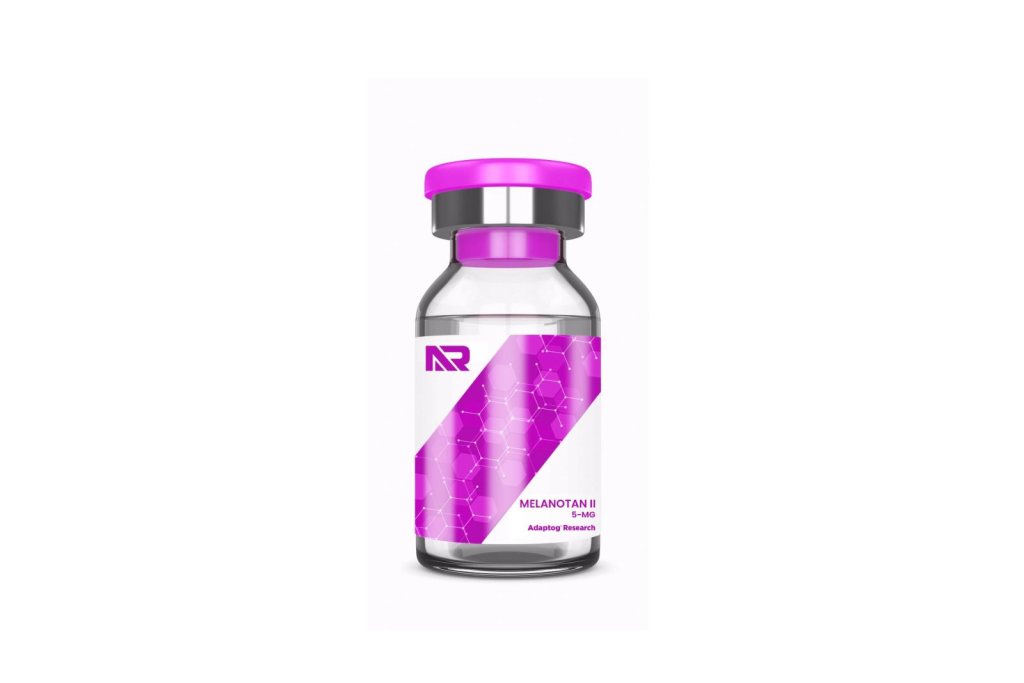
The Benefits of Melanotan 2

Melanotan 2 (MT‑II) is a synthetic peptide that stimulates melanin production, offering benefits such as enhanced tanning without excessive sun exposure, potential protection against UV damage, improved sexual function, and possible applications in weight management and skin conditions. It remains a research compound, not FDA‑approved.

🔬 What is Melanotan 2?

  • Definition: A lab‑made analog of the natural hormone α‑MSH (alpha‑melanocyte‑stimulating hormone).
  • Mechanism: Binds to melanocortin receptors, increasing melanin production in skin cells.
  • Purpose: Originally developed to reduce risks of skin cancer by minimizing UV exposure.

⚡ Documented Benefits

1. Sunless Tanning & UV Protection

  • Stimulates melanin production, leading to a darker skin tone without prolonged sun exposure.
  • May reduce risk of UV‑induced skin damage and skin cancer.

2. Sexual Function

  • Research shows MT‑II can improve erectile function and libido in men.
  • Related to PT‑141 (Bremelanotide), a derivative approved for female sexual dysfunction.

3. Weight Management & Metabolism

  • Early studies suggest MT‑II may influence appetite regulation and fat metabolism.
  • Potential role in reducing food intake and supporting weight control.

4. Skin Conditions

  • Investigated for rosacea and other pigmentation disorders.
  • May help balance uneven skin tone.

📊 Quick Comparison

Benefit AreaMelanotan 2 Impact
TanningDarker skin tone without excess sun
UV ProtectionReduced risk of sunburn/skin cancer
Sexual FunctionImproved libido and erectile response
MetabolismAppetite suppression, fat regulation
Skin HealthPotential rosacea and pigmentation support

⚠️ Risks & Considerations

  • Not FDA‑approved: Use restricted to research.
  • Side effects: Nausea, flushing, appetite loss, and possible changes in moles.
  • Safety concerns: Long‑term effects remain unclear; improper use may pose health risks.

✅ Key Takeaway

Melanotan 2 offers promising benefits in tanning, UV protection, sexual health, and metabolism, but it remains experimental and should only be considered in controlled research settings.

The Benefits of Melanotan 2

November 7, 2025

Melanotan 2 (MT-II) is part of the tanning peptide family and is already popular among bodybuilders. However, there are some additional benefits of Melanotan 2, which scientists are keen to research further. 

Melanotan 2 is a synthetic peptide (a-MSH) and interacts with the melanocortin receptors throughout our body, stimulating physiological responses. We explore the broader benefits of Melanotan 2 below.

Key Benefits of Melanotan 2: 

Increased Skin Pigmentation

Melanotan 2 is most known for its ability to stimulate skin pigmentation, doing so through a precise biological pathway that has been identified through extensive research.

MT-II functions primarily by binding to melanocortin-1 receptors (MC1R) located on melanocytes in the skin. Once activated, these receptors trigger a cascade of cellular signalling that ultimately increases the production and release of eumelanin, the dark pigment responsible for tanning.

A Phase I clinical study conducted by Dorr et al. (1996) demonstrated MT-II’s tanning properties in humans. The researchers found that subjects receiving just five low doses of MT-II (0.025 mg/kg) administered subcutaneously every other day experienced measurable increases in skin pigmentation. In just one week after receiving their final dose of Melanotan 2, measurements in the subjects confirmed a quantifiable increase in their skin pigmentation. 

This is the same study that discovered MT-II can actually produce skin pigmentation alone, without UV exposure, indicating potential for photoprotective applications. This differs from traditional tanning, which requires UV exposure that damages skin cells before the melanin production is stimulated as a protective response. However, because Melanotan 2 stimulates melanin production, it potentially offers a protective benefit before the damage from UV occurs. 

Appetite Suppression: 

A 2010 research study by Shrestha et al revealed that MT-II triggers the central melanocortin receptors and causes changes in hypothalamic neural networks that regulate appetite. This results in a series of effects across metabolic pathways that contribute to appetite suppression and potentially an increase in energy expenditure. 

Furthermore, a newer 2021 study on the effect of Melanotan 2 on mice showed that when injected, MT-II increased satiety. The researchers continued to summarise their findings by revealing that these effects occurred without affecting metabolic rate, meaning there was a minimal chance of nausea or illness as a side effect. 

This selective appetite suppression occurs because MT-II activates specific melanocortin receptors (MC3R/MC4R) in brain regions that regulate satiety signals. When these receptors are stimulated, they promote a feeling of fullness and reduce the drive to consume food.

Long-term studies have shown particularly interesting results. Research published in the Journal of Applied Physiology found that chronic central administration of MT-II produced persistent reductions in body mass in experimental models even after the initial appetite-suppressing effects had diminished. The metabolic effects contribute to body composition changes even after the body has gotten used to the initial appetite suppression.

Improved Libido and Sexual Function

The effects of Melanotan 2 on sexual function represent one of its most thoroughly studied properties, with multiple clinical trials exploring its potential applications for sexual dysfunction.

MT-II activates the melanocortin-4 receptors located in our central nervous system. These receptors are crucial for sexual arousal and sexual function. This is different from the way that the main components found in erectile dysfunction treatments work, as these typically work on the peripheral blood vessels.  

A groundbreaking double-blind, placebo-controlled, crossover study published in Urology (2000) examined MT-II’s effects in men with organic erectile dysfunction. The researchers found that MT-II (0.025 mg/kg) initiated subjectively reported erections in 12 of 19 injections versus only 1 of 21 doses of placebo. Importantly, the mean duration of tip rigidity greater than 80% was 45.3 minutes with MT-II versus 1.9 minutes for placebo (P = 0.047).

Potentially, MT-II may become an improved method of treatment for sexual dysfunction, as Melanotan 2 appears to be able to deal with the physical mechanics of sexual dysfunction whilst also improving the psychological aspect of reduced sexual desire. This is an advantage that no existing treatment can provide. 

Another clinical study published in the International Journal of Impotence Research confirmed these findings, showing that MT-II was effective in producing erections in men with both psychogenic and organic erectile dysfunction. The study found that 17 out of 20 men reported penile erection from at least one of two injections of MT-II in the absence of visual sexual stimulation. Notably, 68% of subjects reported increased sexual desire with MT-II compared to only 19% with placebo.

While early reports also suggested potential benefits for female sexual dysfunction, comprehensive clinical data in this area remain limited, representing an important direction for future research.

Anti-inflammatory Properties

One of the lesser-known benefits of Melanotan 2 is the anti-inflammatory potential. This represents an emerging area of research interest, with preliminary studies suggesting beneficial effects on inflammatory conditions.

MT-II’s anti-inflammatory properties likely stem from its action on melanocortin receptors (particularly MC1R and MC3R) that are expressed on immune cells, including macrophages and dendritic cells. Activation of these receptors has been shown to modulate the production of pro-inflammatory cytokines and promote anti-inflammatory pathways.

While direct studies of MT-II in fibromyalgia are limited, research on related melanocortin agonists and pathways suggests potential applications. The melanocortin system is known to modulate pain perception and inflammatory responses, which are key components of fibromyalgia pathophysiology.

Recent clinical research has begun exploring the role of melanocortin-related compounds in managing chronic pain conditions.

While most clinical studies investigating fibromyalgia have focused on melatonin rather than melanocortins specifically, the findings are relevant due to the overlapping pathways involved.

Whilst the studies into Melanotan 2’s anti-inflammatory effects are in their infancy, there are considerations that taking MT-II could potentially help improve over chronic and inflammatory conditions such as arthritis, psoriasis, and Crohn’s disease. However, far more studies are required. 

Conclusion

Melanotan 2 is a tanning peptide that bodybuilders have long understood the benefits of, and those in bodybuilding circles have used it for years in the build-up to competitions; however, it appears it has far more to offer than tanning. Often in the build-up to shows, the excessive training and ultra-strict diet can negatively affect the sexual function and desire of both men and women. Melanotan 2 appears to be able to help combat that negative effect in men, with more research needed on its effect on sexual desire in women. Additionally, its ability to suppress appetite is an added benefit of Melanotan 2 that bodybuilders in a pre-show, or those in a cut phase, will appreciate. 

As with all peptides, further research is needed, and they are often not FDA approved, but the emerging evidence of its anti-inflammatory properties shows that Melanotan 2 has more to offer, and with more studies, we can understand this peptide more. 

You can experience the benefits of Melanotan 2 for yourself and purchase it from us HERE.

References: 

Food intake reductions and increases in energetic responses by hindbrain leptin and melanotan II are enhanced in mice with POMC-specific PTP1B deficiency – PubMed

Activation of the central melanocortin system chronically reduces body mass without the necessity of long-term caloric restriction – PubMed

The medial preoptic nucleus as a site of the thermogenic and metabolic actions of melanotan II in male rats – PubMed

Synthetic melanotropic peptide initiates erections in men with psychogenic erectile dysfunction: double-blind, placebo controlled crossover study – PubMed

Novel Emerging Therapies for Erectile Dysfunction – PMC. https://pmc.ncbi.nlm.nih.gov/articles/PMC7752520/

Central nervous system agents in the treatment of erectile dysfunction: how do they work? – PubMed

Melanotan-II: Investigation of the inducer and facilitator effects on penile erection in anaesthetized rat – PubMed

Systemic but not central nervous system nitric oxide synthase inhibition exacerbates the hypertensive effects of chronic melanocortin-3/4 receptor activation – PubMed

MC-3 receptor and the inflammatory mechanisms activated in acute myocardial infarct – PubMed

In vitro and in vivo induction of heme oxygenase 1 in mouse macrophages following melanocortin receptor activation – PubMed

The Science Behind IGF‑1 LR3: What The Studies Show

The Science Behind IGF‑1 LR3: What The Studies Show

IGF‑1 LR3 is a modified version of insulin‑like growth factor‑1 designed to be more stable and potent, with studies showing enhanced muscle growth, recovery, and cellular regeneration compared to native IGF‑1. It remains a research compound, not approved for medical use.

🔬 What is IGF‑1 LR3?

  • Definition: IGF‑1 LR3 (Insulin‑like Growth Factor‑1 Long Arg3) is a synthetic analog of IGF‑1.
  • Modification: It has 13 extra amino acids at the N‑terminal and an arginine substitution, which reduces binding to IGF‑binding proteins.
  • Result: Longer half‑life (20–30 hours vs. minutes for native IGF‑1) and greater bioavailability.

⚡ What the Studies Show

1. Muscle Growth & Recovery

  • Enhanced hypertrophy: IGF‑1 LR3 acts directly on muscle tissue, stimulating protein synthesis and satellite cell activation.
  • Faster recovery: Promotes repair of muscle fibers after injury or intense training.
  • Animal studies: Show significant increases in lean muscle mass compared to native IGF‑1.

2. Cellular Regeneration

  • Stimulates cell proliferation and differentiation, aiding tissue repair.
  • Supports angiogenesis (new blood vessel formation), improving nutrient delivery to tissues.

3. Metabolic Regulation

  • Improves glucose uptake and insulin sensitivity in muscle cells.
  • May play a role in lipid metabolism, though human data is limited.

📊 Comparison: IGF‑1 vs IGF‑1 LR3

FeatureNative IGF‑1IGF‑1 LR3
Half‑life~20 minutes20–30 hours
Binding affinityHigh (to IGF‑binding proteins)Reduced, more free IGF‑1
PotencyModerateEnhanced
ApplicationsEndogenous hormoneResearch in muscle growth, regeneration

⚠️ Risks & Considerations

  • Not FDA‑approved: IGF‑1 LR3 is strictly for laboratory research.
  • Safety concerns: Long‑term effects in humans are unknown; potential risks include abnormal cell growth.
  • Ethical use: Should not be self‑administered outside controlled studies.

✅ Key Takeaway

IGF‑1 LR3 offers extended activity and greater potency than native IGF‑1, making it valuable in research on muscle growth, recovery, and regeneration. However, its use is limited to laboratory settings, with human safety still unproven.

The Science Behind IGF-1 LR3: What The Studies Show

November 21, 2025

IGF-1 LR3 (Long Arginine 3 Insulin-like Growth Factor-1) is a synthetic analogue of the endogenous hormone IGF-1. The modification to this peptide not only increases its stability but also enhances its activity.

IGF-1 LR3 binds to the IGF-1 receptor, just as natural IGF-1 would, so it promotes the same kinds of activities, including enhancing cell growth, tissue repair, and altering metabolism.

This article will cover the function of IGF-1, compare the similarities and differences between IGF-1 and IGF-1 LR3, look at the therapeutic uses of this peptide that researchers have investigated, and touch upon the consequences of elevating IGF-1 levels excessively.

The Normal Function of IGF-1 in the Body

Production and Regulation

When growth hormone is released from the pituitary gland, it stimulates tissues, mainly in the liver, to produce IGF-1. This IGF-1 is then released into the bloodstream, where it exerts its growth-promoting effects on various other tissues.

IGF binding proteins bind to IGF-1, regulating its availability and activity at IGF-1 receptors.

The levels of IGF-1 in the body are determined by several factors, including:

  • Liver function: Since it is made in the liver, any problems with the liver could mean that less is produced1.
  • Age: IGF-1 levels tend to naturally decline with age.
  • Genetic conditions: Problems with the IGF-1 gene itself or genes involved in the processing of the prohormone or receptor can lead to deficiency2. IGF1R haploinsufficiency leads to elevated IGF-1 levels but a decreased response to it3.
  • Disease: Chronic liver diseases can lower IGF-1 levels4. Low levels or reduced responses to the hormone are linked to diseases, such as Alzheimer’s5, other neurodegenerative diseases6 and cardiovascular disease7. Endocrine disorders such as insulin resistance can lead to either elevated or lowered IGF-1 levels, depending on context8–11.
  • Medications: Sodium-glucose cotransporter-2 inhibitors12, DHEA13, dopamine agonists14 and verapamil15 can increase IGF-1 levels, while clomiphene citrate16, atorvastatin17 and long-term somatostatin analogues can reduce IGF-118.

It may already be evident that exceptionally low or high levels should be avoided since there is evidence indicating this increases the risk of disease. This is a complicated, context-dependent topic that we will examine in more detail later in this article. Now that we understand what factors can influence IGF-1 levels, we should learn what IGF-1 actually does in the body.

Role in Growth and Development

It plays a vital role in growth and development, as it promotes:

  • Cell proliferation19
  • Organ growth20
  • Tissue differentiation19
  • Bone growth and remodelling21
  • Brain development22
  • Neuroplasticity22

It is particularly important during childhood and adolescence, when growth and development occur most rapidly. Because of the potentially beneficial activities of IGF-1, researchers have developed IGF-1 LR3.

IGF-1 vs. IGF-1 LR3: What’s the Difference?

In a research setting, IGF-1 LR3 is often used in preference to IGF-1. We will take a look at what makes these two peptides different and how the modifications present in IGF-1 LR3 make it a favourable choice for researchers.

Structure

The main differences between the structures of IGF-1 and IGF-1 LR3 are that the latter has glutamic acid instead of arginine at position 3 and has an extended chain of amino acids at the terminal end. IGF-1 has a half-life of only a few minutes23,24, while the modifications to IGF-1 LR3 confer greater stability, giving it a half-life of approximately 20-30 hours25. This means that IGF-1 LR3 remains active in the body for much longer than its endogenous version.

Function

The activity of IGF-1 can be controlled by the IGF binding proteins, which bind to IGF-1, preventing it from binding to receptors and blocking its activity.  IGF-1 LR3 cannot be regulated in the same way. Because of the modifications to IGF-1 LR3, IGF binding proteins are less able to bind to it, making it more potent and longer lasting. This is advantageous for research and therapeutic uses.

Applications

Because of its superior stability and potent activity, IGF-1 LR3 is used in research to study pathways activated by IGF-1 signalling. IGF-1 LR3 exerts significant therapeutic benefits and is being tested in preclinical settings for potential applications.

Potential Benefits of IGF-1 LR3 in the Body

Now that we understand the function of IGF-1 as well as the differences and similarities between it and IGF-1 LR3, we will look at how this hormone could be used to benefit health.

Muscle Growth and Repair

IGF-1 is involved in the growth and repair of muscles, as it stimulates the proliferation of muscle satellite cells, which are essential for muscle regeneration and hypertrophy. It activates signalling pathways which lead to an increase in protein synthesis and muscle fibre growth and inhibits the breakdown and atrophy of muscles26.

During muscle injury, IGF-1 is naturally produced locally, predominantly by immune cells such as macrophages, which helps to reduce inflammation and promote repair27. It promotes mitochondrial biogenesis and turnover in muscle cells to support the energy demands associated with growth and repair28.

These properties make IGF-1 a promising lead for therapies that aim to reduce muscle wastage and degeneration.

Bone Density and Healing

IGF-1 has a significant positive effect on bone healing, which it exerts by stimulating the proliferation and differentiation of osteoblasts, supporting the regeneration of bone tissue after injury29. One study found that it was even more effective than BMP-7 (Bone Morphogenetic Protein -7) in promoting bone repair30.

Cognitive and Neurological Support

IGF-1 has been found to support neurogenesis, synaptic plasticity and neuronal survival, which are important for learning and memory. It is also involved in regulating oxidative stress and mitochondrial function. The dysregulation of these components is associated with increased neurodegeneration and cognitive decline31.

Low levels of IGF-1 are associated with reduced cognitive function32, with the age-related decline in IGF-1 possibly contributing to cognitive decline and increased risk of dementia33,34. Animal studies have found that increases in IGF-1 can improve memory and learning35, while reductions impair cognition36.

In studies looking at Alzheimer’s disease, IGF-1 demonstrated an ability to promote neurogenesis, reduce neuroinflammation and support neuronal survival in animal models37. It may also help to reduce certain symptoms associated with neurodegenerative diseases, such as anxiety and depression38,39.

Despite these promising results, not all studies have found IGF-1 to demonstrate positive effects on cognitive health. Exceptionally low or high IGF-1 levels are associated with an increased risk of dementia and stroke, and high levels are linked to an increased risk of Parkinson’s disease40.

Some of the results gained from studies have left us with what may appear to be inconclusive results as to the role of IGF-1 in cognition and neurodegeneration, but they help to demonstrate how complex this topic is. IGF-1’s positive effect on cognition appears to be dependent on maintaining balanced levels, with excessively high or low levels to be avoided.

Metabolic Effects

IGF-1 regulates protein, carbohydrate, and lipid metabolism. It generally decreases circulating insulin and glucose levels and can promote protein synthesis by activating anabolic signalling. This anabolic signalling inhibits protein degradation, promoting muscle hypertrophy and maintenance26.

It influences both the breakdown of fat (lipolysis) and fat cell formation (adipogenesis). Which one of these it promotes is dependent on factors such as insulin signalling and metabolic state41,42.

Lipolysis is promoted by IGF-1 under conditions of energy deprivation or metabolic stress, where it can enhance both carbohydrate and lipid metabolism, as well as increase glucose uptake and utilisation. It improves mitochondrial function and increases energy production, which makes sense given that this is a response to a state of low nutritional and caloric intake. At optimal levels, it can promote the burning of energy, helping to alleviate metabolic syndrome43. In adolescents, lower (but in the normal range) IGF-1 levels are associated with higher insulin sensitivity, particularly if they engage in long-term exercise44. This may suggest that only low-normal levels are required to exert metabolic benefits.

Conversely, adipogenesis is promoted by IGF-1 when there is an overabundance of energy45. When it functions in this manner, it is closely linked to the development of metabolic syndrome, with lower levels being associated with impaired lipid profiles, insulin resistance, higher blood glucose levels and an increased risk of obesity and cardiovascular disease.

The effects of IGF-1 can vary depending on factors such as sex, physiological context and underlying health conditions, demonstrating the complexity of the system that it plays a role in. It would appear that there is an optimal level of IGF-1 that lends itself to peak metabolic health, with a deviation towards deficiency or excess leading more towards metabolic dysregulation.

Negative Health Effects and Risks of Elevated IGF-1

Increased Cancer Risk

IGF-1 promotes cell survival, migration, proliferation, and resistance to stress (including chemotherapy), and does not distinguish between normal or cancerous cells when exerting this activity. These properties are all seen in cancer cells, and several studies have linked IGF-1 to an increased risk of developing cancers46.

In people with obesity, IGF levels are raised, which may partly explain the increased risk of developing endocrine cancers, as well as further implicate IGF-1 in cancer development47.

Accelerated Aging

The desirable level of IGF-1 is not a value set in stone. Generally, younger people benefit from a higher level as it supports growth and health, but as we age, higher levels are associated with an increased risk of age-related disease and mortality.

Some studies suggest that reducing levels later in life may help to reduce the risk of cancer48, while other studies emphasise the importance of raising levels in the brain in order to prevent cognitive decline49. Reduced IGF-1 signalling is linked to increased longevity in some animals, but in mammals, where IGF-1 and insulin pathways interact, the effect of IGF-1 levels on healthy aging is less clear50.

Excessive IGF-1 signalling increases the activity of the insulin/IGF-1 pathway, which may accelerate some aspects of aging by leading to immunosuppression, cellular senescence, and chronic low-grade inflammation51.

So, while IGF-1 is important for maintaining health as we age, both insufficiency and excess can lead to negative consequences. The optimal balance for health may depend on a number of individual factors.

Metabolic Imbalance

Although low-normal levels of IGF-1 are associated with insulin sensitivity, excessively high or low levels of IGF-1 are associated with insulin resistance, which can lead to chronic hyperglycaemia, oxidative stress, inflammation and endothelial dysfunction52.

Maintaining Healthy IGF-1 Levels Naturally

As we have learned, the body naturally regulates IGF-1 in response to our lifestyle, metabolic state and health, so altering factors such as diet, activity levels and other habits can have effects on IGF-1 expression by the body.

Lifestyle and Nutrition

Diet: Diets that are high in protein and consist of a high intake of energy are associated with higher IGF-1 levels53, while fasting, low-calorie, and ketogenic diets are associated with lower IGF-1 levels54. Supplements such as a combination of selenium and coenzyme Q1055, and DHEA13 have been found to increase IGF-1 levels.

Physical exercise: Resistance training is associated with increased IGF-1 levels. One study found a significant increase after 16 weeks of training56. The recovery phase of exercise sees an increase in IGF-1 levels, with the greatest increase observed when recovery is active as opposed to passive57.

Sleep: Sufficient and good quality sleep helps to improve IGF-1 levels, while disturbances in sleep and inadequate sleep have been shown to reduce IGF-1 and negatively affect cognitive function58.

Conclusion

IGF-1 plays an essential role in growth and health by mediating the effects of growth hormone, promoting cell proliferation, differentiation and anabolic processes. It balances bone growth and resorption, stimulates protein synthesis, muscle regeneration and hypertrophy and influences brain development, neuroplasticity, and repair mechanisms.

IGF-1 levels must be carefully balanced, as both excess and deficiency can lead to negative health outcomes. Low IGF-1 is associated with increased mortality, frailty, and medical complications due to the impaired tissue repair and metabolic dysfunction that comes with this deficiency. Excessively high IGF-1 could accelerate aging and lead to metabolic dysfunction. Striking the correct balance is important to maintain good health.

IGF-1 LR3 is more potent than IGF-1 as it has a lower affinity for IGF-1 binding proteins, which can prevent it from binding to receptors. It can also remain active for far longer than endogenous IGF-1 since the body cannot regulate its levels as effectively. This makes it an excellent substitute for IGF-1 during research applications as it strongly and persistently activates IGF-1 receptors.

Since research on IGF-1 LR3 has not progressed beyond preclinical studies, we do not know how it will behave in the human body, and it is not approved for human use outside of research settings. Studies so far would indicate that it does have value as a therapeutic agent if used appropriately.

Buy IGF-1 LR3 here.

References

  1. Adamek A, Kasprzak A. Insulin-Like Growth Factor (IGF) System in Liver Diseases. Int J Mol Sci. 2018;19(5):1308. doi:10.3390/ijms19051308
  2. Di Patria L, Annibalini G, Morrone A, et al. Defective IGF-1 prohormone N-glycosylation and reduced IGF-1 receptor signaling activation in congenital disorders of glycosylation. Cell Mol Life Sci. 2022;79(3):150. doi:10.1007/s00018-022-04180-x
  3. Pelosi P, Lapi E, Cavalli L, et al. Bone Status in a Patient with Insulin-Like Growth Factor-1 Receptor Deletion Syndrome: Bone Quality and Structure Evaluation Using Dual-Energy X-Ray Absorptiometry, Peripheral Quantitative Computed Tomography, and Quantitative Ultrasonography. Front Endocrinol. 2017;8:227. doi:10.3389/fendo.2017.00227
  4. Caregaro L, Alberino F, Amodio P, et al. Nutritional and prognostic significance of insulin-like growth factor 1 in patients with liver cirrhosis. Nutr Burbank Los Angel Cty Calif. 1997;13(3):185-190. doi:10.1016/s0899-9007(96)00399-1
  5. Talbot K, Wang HY, Kazi H, et al. Demonstrated brain insulin resistance in Alzheimer’s disease patients is associated with IGF-1 resistance, IRS-1 dysregulation, and cognitive decline. J Clin Invest. 2012;122(4):1316-1338. doi:10.1172/JCI59903
  6. Xu X, Yi M, Xiao C, et al. IGF-1 Provides Protective Role in Arteriosclerotic Cerebral Small Vessel Disease. Hypertension. 2025;82(6):1137-1150. doi:10.1161/HYPERTENSIONAHA.124.24341
  7. Obradovic M, Zafirovic S, Soskic S, et al. Effects of IGF-1 on the Cardiovascular System. Curr Pharm Des. 2019;25(35):3715-3725. doi:10.2174/1381612825666191106091507
  8. De Santi M, Annibalini G, Marano G, et al. Association between metabolic syndrome, insulin resistance, and IGF-1 in breast cancer survivors of DIANA-5 study. J Cancer Res Clin Oncol. 2023;149(11):8639-8648. doi:10.1007/s00432-023-04755-6
  9. Brener A, Sagi L, Shtamler A, Levy S, Fattal-Valevski A, Lebenthal Y. Insulin-like growth factor-1 status is associated with insulin resistance in young patients with spinal muscular atrophy. Neuromuscul Disord. 2020;30(11):888-896. doi:10.1016/j.nmd.2020.09.025
  10. Arinami H, Suzuki Y, Watanabe Y, Tajiri M, Tsuneyama N, Someya T. Association between insulin resistance and serum insulin-like growth factor 1 levels in patients with non-remitting major depressive disorder. J Affect Disord. 2024;344:612-616. doi:10.1016/j.jad.2023.10.009
  11. Kuang J, Zhang L, Xu Y, Xue J, Liang S, Xiao J. Reduced Insulin-Like Growth Factor 1 Is Associated with Insulin Resistance in Obese Prepubertal Boys. BioMed Res Int. 2021;2021(1):6680316. doi:10.1155/2021/6680316
  12. Shalaby YM, Nakhal MM, Afandi B, et al. Impact of sodium-glucose cotransporter-2 inhibitors on aging biomarkers and plasma ceramide levels in type 2 diabetes: beyond glycemic control. Ann Med. 57(1):2496795. doi:10.1080/07853890.2025.2496795
  13. Xie M, Zhong Y, Xue Q, et al. Impact of dehydroepianrosterone (DHEA) supplementation on serum levels of insulin-like growth factor 1 (IGF-1): A dose-response meta-analysis of randomized controlled trials. Exp Gerontol. 2020;136:110949. doi:10.1016/j.exger.2020.110949
  14. Akirov A, Greenman Y, Glaser B, et al. IGF-1 levels may increase paradoxically with dopamine agonist treatment for prolactinomas. Pituitary. 2018;21(4):406-413. doi:10.1007/s11102-018-0891-5
  15. Xu G, Chen J, Lu B, Sethupathy P, Qian WJ, Shalev A. Verapamil Prevents Decline of IGF-I in Subjects With Type 1 Diabetes and Promotes β-Cell IGF-I Signaling. Diabetes. 2023;72(10):1460-1469. doi:10.2337/db23-0256
  16. Mogar N, Zhang D, Heaney AP. Reduced IGF-1 Levels Following Clomiphene Treatment for Male Hypogonadism. J Endocr Soc. 2025;9(7):bvaf078. doi:10.1210/jendso/bvaf078
  17. Bergen K, Brismar K, Tehrani S. High-dose atorvastatin is associated with lower IGF-1 levels in patients with type 1 diabetes. Growth Horm IGF Res Off J Growth Horm Res Soc Int IGF Res Soc. 2016;29:78-82. doi:10.1016/j.ghir.2016.06.001
  18. Maiza JC, Vezzosi D, Matta M, et al. Long-term (up to 18 years) effects on GH/IGF-1 hypersecretion and tumour size of primary somatostatin analogue (SSTa) therapy in patients with GH-secreting pituitary adenoma responsive to SSTa. Clin Endocrinol (Oxf). 2007;67(2):282-289. doi:10.1111/j.1365-2265.2007.02878.x
  19. Hakuno F, Takahashi SI. IGF1 receptor signaling pathways. J Mol Endocrinol. 2018;61(1):T69-T86. doi:10.1530/JME-17-0311
  20. Stremming J, Heard S, White A, et al. IGF-1 infusion to fetal sheep increases organ growth but not by stimulating nutrient transfer to the fetus. Am J Physiol Endocrinol Metab. 2021;320(3):E527-E538. doi:10.1152/ajpendo.00453.2020
  21. Racine HL, Serrat MA. The Actions of IGF-1 in the Growth Plate and its Role in Postnatal Bone Elongation. Curr Osteoporos Rep. 2020;18(3):210-227. doi:10.1007/s11914-020-00570-x
  22. Dyer AH, Vahdatpour C, Sanfeliu A, Tropea D. The role of Insulin-Like Growth Factor 1 (IGF-1) in brain development, maturation and neuroplasticity. Neuroscience. 2016;325:89-99. doi:10.1016/j.neuroscience.2016.03.056
  23. Lewitt MS, Saunders H, Cooney GJ, Baxter RC. Effect of human insulin-like growth factor-binding protein-1 on the half-life and action of administered insulin-like growth factor-I in rats. J Endocrinol. 1993;136(2):253-260. doi:10.1677/joe.0.1360253
  24. Pan W, Kastin AJ. Interactions of IGF-1 with the Blood-Brain Barrier in vivo and in situ. Neuroendocrinology. 2000;72(3):171-178. doi:10.1159/000054584
  25. von der Thüsen JH, Borensztajn KS, Moimas S, et al. IGF-1 Has Plaque-Stabilizing Effects in Atherosclerosis by Altering Vascular Smooth Muscle Cell Phenotype. Am J Pathol. 2011;178(2):924-934. doi:10.1016/j.ajpath.2010.10.007
  26. Yoshida T, Delafontaine P. Mechanisms of IGF-1-Mediated Regulation of Skeletal Muscle Hypertrophy and Atrophy. Cells. 2020;9(9):1970. doi:10.3390/cells9091970
  27. Tonkin J, Temmerman L, Sampson RD, et al. Monocyte/Macrophage-derived IGF-1 Orchestrates Murine Skeletal Muscle Regeneration and Modulates Autocrine Polarization. Mol Ther J Am Soc Gene Ther. 2015;23(7):1189-1200. doi:10.1038/mt.2015.66
  28. Guan X, Yan Q, Wang D, Du G, Zhou J. IGF-1 Signaling Regulates Mitochondrial Remodeling during Myogenic Differentiation. Nutrients. 2022;14(6):1249. doi:10.3390/nu14061249
  29. Park J, Yan G, Kwon KC, et al. Oral delivery of novel human IGF-1 bioencapsulated in lettuce cells promotes musculoskeletal cell proliferation, differentiation and diabetic fracture healing. Biomaterials. 2020;233:119591. doi:10.1016/j.biomaterials.2019.119591
  30. Reible B, Schmidmaier G, Moghaddam A, Westhauser F. Insulin-Like Growth Factor-1 as a Possible Alternative to Bone Morphogenetic Protein-7 to Induce Osteogenic Differentiation of Human Mesenchymal Stem Cells in Vitro. Int J Mol Sci. 2018;19(6):1674. doi:10.3390/ijms19061674
  31. Bhalla S, Mehan S, Khan A, Rehman MU. Protective role of IGF-1 and GLP-1 signaling activation in neurological dysfunctions. Neurosci Biobehav Rev. 2022;142:104896. doi:10.1016/j.neubiorev.2022.104896
  32. Hayes CA, Wilson D, De Leon MA, et al. Insulin-like growth factor-1 and cognitive health: Exploring cellular, preclinical, and clinical dimensions. Front Neuroendocrinol. 2025;76:101161. doi:10.1016/j.yfrne.2024.101161
  33. Gökçe E, Kaushal N, Fontanille T, et al. The mediating role of lower body muscle strength and IGF-1 level in the relationship between age and cognition. A MIDUS substudy. Exp Gerontol. 2024;189:112399. doi:10.1016/j.exger.2024.112399
  34. Gong X, Ma M, Fan X, et al. Down-regulation of IGF-1/IGF-1R in hippocampus of rats with vascular dementia. Neurosci Lett. 2012;513(1):20-24. doi:10.1016/j.neulet.2012.01.077
  35. Zeng L, Yu T, Liu H, et al. IGF-1’s protective effect on OSAS rats’ learning and memory. Sleep Breath Schlaf Atm. 2024;28(5):1919-1928. doi:10.1007/s11325-024-03047-8
  36. Wan Y, Gao W, Zhou K, et al. Role of IGF-1 in Neuroinflammation and Cogniton Deficits Induced by Sleep Deprivation. In Review. Preprint posted online July 19, 2021. doi:10.21203/rs.3.rs-680306/v1
  37. Dunacka J, Grembecka B, Majkutewicz I, Wrona D. Central Insulin-like Growth Factor-1 Treatment Enhances Working and Reference Memory by Reducing Neuroinflammation and Amyloid Beta Deposition in a Rat Model of Sporadic Alzheimer’s Disease. Pharmaceuticals. 2025;18(4):527. doi:10.3390/ph18040527
  38. Weppner J, Rosenthal K, Bath J, Locklear T, Martinez M. IGF-1 as a Biomarker for Symptom Severity in Adult Traumatic Brain Injury: Evidence from an Observational Study. Neurotrauma Rep. 2025;6(1):345-354. doi:10.1089/neur.2025.0009
  39. Shi X, Zheng J, Ma J, et al. Correlation between serum IGF-1 and EGF levels and neuropsychiatric and cognitive in Parkinson’s disease patients. Neurol Sci Off J Ital Neurol Soc Ital Soc Clin Neurophysiol. 2023;44(3):881-887. doi:10.1007/s10072-022-06490-1
  40. Cao Z, Min J, Tan Q, Si K, Yang H, Xu C. Circulating insulin-like growth factor-1 and brain health: Evidence from 369,711 participants in the UK Biobank. Alzheimers Res Ther. 2023;15(1):140. doi:10.1186/s13195-023-01288-5
  41. Fang F, Goldstein JL, Shi X, Liang G, Brown MS. Unexpected role for IGF-1 in starvation: Maintenance of blood glucose. Proc Natl Acad Sci U S A. 2022;119(32):e2208855119. doi:10.1073/pnas.2208855119
  42. Ali AT, Hochfeld WE, Myburgh R, Pepper MS. Adipocyte and adipogenesis. Eur J Cell Biol. 2013;92(6-7):229-236. doi:10.1016/j.ejcb.2013.06.001
  43. Aguirre GA, De Ita JR, De La Garza RG, Castilla-Cortazar I. Insulin-like growth factor-1 deficiency and metabolic syndrome. J Transl Med. 2016;14(1):3. doi:10.1186/s12967-015-0762-z
  44. Guo X, Qiang J, Zhou Z, et al. Insulin sensitivity index independently predicts serum IGF-1 decreases in adolescents with long-term exercise. J Endocrinol Invest. 2025;48(7):1669-1676. doi:10.1007/s40618-025-02562-z
  45. Rong P, Mu Y, Wang M, et al. Targeting IGF1 to alleviate obesity through regulating energy expenditure and fat deposition. Sci China Life Sci. 2025;68(6):1662-1675. doi:10.1007/s11427-024-2768-y
  46. Werner H, Laron Z. Role of the GH-IGF1 system in progression of cancer. Mol Cell Endocrinol. 2020;518:111003. doi:10.1016/j.mce.2020.111003
  47. Zhong W, Wang X, Wang Y, Sun G, Zhang J, Li Z. Obesity and endocrine-related cancer: The important role of IGF-1. Front Endocrinol. 2023;14:1093257. doi:10.3389/fendo.2023.1093257
  48. Aguiar-Oliveira MH, Bartke A. Growth Hormone Deficiency: Health and Longevity. Endocr Rev. 2019;40(2):575-601. doi:10.1210/er.2018-00216
  49. Farias Quipildor GE, Mao K, Hu Z, et al. Central IGF-1 protects against features of cognitive and sensorimotor decline with aging in male mice. GeroScience. 2019;41(2):185-208. doi:10.1007/s11357-019-00065-3
  50. Junnila RK, List EO, Berryman DE, Murrey JW, Kopchick JJ. The GH/IGF-1 axis in ageing and longevity. Nat Rev Endocrinol. 2013;9(6):366-376. doi:10.1038/nrendo.2013.67
  51. Prud’homme GJ, Kurt M, Wang Q. Pathobiology of the Klotho Antiaging Protein and Therapeutic Considerations. Front Aging. 2022;3:931331. doi:10.3389/fragi.2022.931331
  52. Friedrich N, Thuesen B, Jørgensen T, et al. The Association Between IGF-I and Insulin Resistance. Diabetes Care. 2012;35(4):768-773. doi:10.2337/dc11-1833
  53. Wan X, Wang S, Xu J, et al. Dietary protein-induced hepatic IGF-1 secretion mediated by PPARγ activation. Guillou H, ed. PLOS ONE. 2017;12(3):e0173174. doi:10.1371/journal.pone.0173174
  54. Rajakumar G, Cagigas ML, Wang T, et al. Effect of ketogenic diets on insulin-like growth factor (IGF)-1 in humans: A systematic review and meta-analysis. Ageing Res Rev. 2024;102:102531. doi:10.1016/j.arr.2024.102531
  55. Alehagen U, Johansson P, Aaseth J, Alexander J, Brismar K. Increase in insulin-like growth factor 1 (IGF-1) and insulin-like growth factor binding protein 1 after supplementation with selenium and coenzyme Q10. A prospective randomized double-blind placebo-controlled trial among elderly Swedish citizens. PloS One. 2017;12(6):e0178614. doi:10.1371/journal.pone.0178614
  56. Jiang Q, Lou K, Hou L, et al. The effect of resistance training on serum insulin-like growth factor 1(IGF-1): A systematic review and meta-analysis. Complement Ther Med. 2020;50:102360. doi:10.1016/j.ctim.2020.102360
  57. Taipale RS, Gagnon SS, Ahtiainen JP, Häkkinen K, Kyröläinen H, Nindl BC. Active recovery shows favorable IGF-I and IGF binding protein responses following heavy resistance exercise compared to passive recovery. Growth Horm IGF Res. 2019;48-49:45-52. doi:10.1016/j.ghir.2019.09.001
  58. Chennaoui M, Léger D, Gomez-Merino D. Sleep and the GH/IGF-1 axis: Consequences and countermeasures of sleep loss/disorders. Sleep Med Rev. 2020;49:101223. doi:10.1016/j.smrv.2019.101223

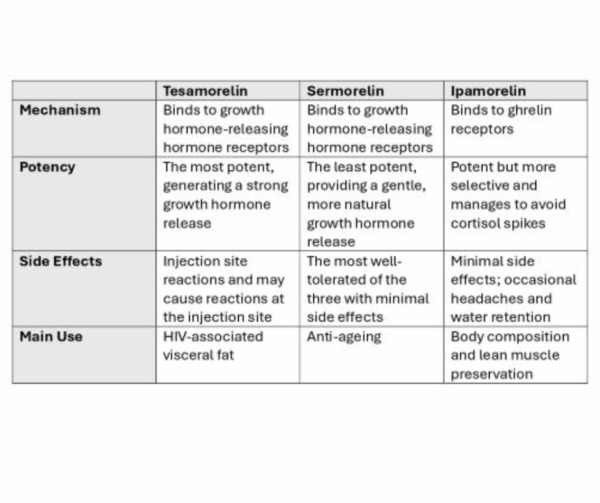
Growth Hormone Peptides: Tesamorelin vs Sermorelin vs Ipamorelin

Tesamorelin, Sermorelin, and Ipamorelin are all growth hormone–stimulating peptides, but they differ in mechanism, half‑life, and clinical use: Tesamorelin is FDA‑approved for HIV‑related lipodystrophy, Sermorelin is a GHRH analog used in research for age‑related decline, and Ipamorelin is a selective secretagogue studied for muscle recovery and fat loss.

🔬 Definitions

  • Tesamorelin: Synthetic analog of growth hormone–releasing hormone (GHRH). FDA‑approved for reducing visceral fat in HIV patients with lipodystrophy.
  • Sermorelin: Short synthetic fragment of GHRH (1–29 amino acids). Stimulates natural GH release but does not cause supraphysiologic GH spikes.
  • Ipamorelin: Synthetic peptide that targets ghrelin/secretagogue receptors, directly stimulating GH release from the pituitary. Known for selective action with fewer side effects.

⚡ Mechanisms & Effects

FeatureTesamorelinSermorelinIpamorelin
TypeGHRH analogGHRH fragment (1–29 aa)GH secretagogue
MechanismStimulates pituitary via GHRH receptorStimulates hypothalamus → pituitaryDirect pituitary stimulation via ghrelin receptor
Half‑life~30 minutesShort (minutes)Short (minutes)
Clinical UseFDA‑approved for HIV lipodystrophyResearch/anti‑aging studiesResearch in recovery, fat loss
GH Release PatternSustained GH elevationExtends GH peaks, raises troughsPulsatile GH release
Side EffectsInjection site reactions, nauseaMild, fewer risksGenerally well tolerated, selective

📊 Key Differences

  • Tesamorelin: Only one with FDA approval, specifically for HIV‑related fat reduction.
  • Sermorelin: Mimics natural GHRH but limited to research and age‑related decline studies.
  • Ipamorelin: Unique in targeting ghrelin receptors, offering selective GH release with minimal cortisol or prolactin elevation.

⚠️ Risks & Considerations

  • Tesamorelin: Safe under medical supervision but limited to specific indication.
  • Sermorelin & Ipamorelin: Research compounds, not FDA‑approved; long‑term safety in humans remains under study.
  • General: All peptides should be used only in controlled research or clinical settings.

✅ Key Takeaway

  • Tesamorelin: Clinical, approved, targeted fat reduction.
  • Sermorelin: Research peptide for natural GH stimulation.
  • Ipamorelin: Research peptide with selective, pulsatile GH release.

Growth Hormone Peptides; A Comparison of Tesamorelin, Sermorelin and Ipamorelin

November 28, 2025

Growth hormone peptides are gaining attention in alternative areas such as being used for anti-ageing treatments, boosting performance, and addressing specific health issues. 

Tesamorelin, Sermorelin, and Ipamorelin are the more popular growth hormone peptides; despite being similar, each one offers its own set of advantages and considerations. We’re breaking down the difference and simplifying all the important information. 

How Growth Hormone Peptides Work

Growth hormones are important for metabolism, maintaining body composition, and helping cells repair themselves. As people grow older, the natural production of growth hormone declines, leading to increased body fat, reduced muscle mass, and other ageing effects. These peptides help by triggering the body to produce its own growth hormone in various ways.

How They Work

Tesamorelin, made up of 44 amino acids, is a lab-made version of growth hormone-releasing hormone (GHRH). It triggers the pituitary gland to make and release growth hormone. Its longer structure helps it stay stable in the body and bind more effectively to GHRH receptors than natural GHRH does.

Sermorelin is a peptide made of 29 amino acids identical to the first 29 in natural GHRH. It works by attaching to GHRH receptors in the pituitary gland. This leads to the release of the body’s own growth hormone while preserving the natural pattern of hormone release.

Ipamorelin is made up of five amino acids forming a pentapeptide, and works as a selective agonist targeting the ghrelin or growth hormone secretagogue receptor (GHS-R). It differs from other GH secretagogues because it triggers the release of growth hormone. It does not influence hormones like ACTH or cortisol.

Growth Hormone Peptides at a Glance:

Clinical Benefits: Insights from Research

Tesamorelin

The FDA has approved Tesamorelin to treat visceral adipose tissue (VAT) in people dealing with HIV-related lipodystrophy. Studies have shown it works for this purpose.

  • Clinical studies observed a 15-20% drop in visceral fat.
  • In HIV-related research, 72% of participants showed better lipid profiles.
  • Metabolic studies found liver fat content reduced by 40%.
  • Insulin sensitivity improved while inflammatory markers decreased.
  • Long-term research showed fat reduction lasting up to 52 weeks.

FDA-reviewed studies demonstrated that tesamorelin led to meaningful waist circumference reductions compared to placebo. The studies reported an absolute change of -1.8 cm in one trial and -1.3 cm in another.

Sermorelin

Although the FDA has not approved sermorelin for treating specific conditions, clinical research suggests it may yield positive outcomes.

  • Sleep quality improves, and recovery metrics get better
  • Lean body mass increases while body fat percentage decreases
  • Skin gains elasticity, and collagen production improves
  • Wound healing speeds up, and energy levels rise

The research by Khorram and colleagues studied adults aged 55 to 71 years. They found that sermorelin therapy over 16 weeks improved GH levels and lean body mass, with men gaining 1.26 kg of lean mass. Body fat and testosterone levels remained unchanged.

Ipamorelin

Studies on Ipamorelin reveal specific advantages:

  • Stimulates GH without altering other pituitary hormones
  • Improves gut movement and digestive function
  • Improves body composition
  • Fewer side effects than most GH secretagogues

Side Effects and Safety in Focus

Tesamorelin

Reported side effects include:

  • Redness, pain, or irritation may appear at the injection site.
  • People may experience muscle pain.
  • Fluid retention or swelling can sometimes occur.
  • There is a risk of glucose intolerance. FDA data suggest that those taking tesamorelin have about three times higher odds of developing diabetes.
  • IGF-1 levels might rise, raising cancer risks in people who are more prone to it.

Sermorelin

Often seen as having a safer profile:

  • Mild redness or irritation at the injection area.
  • Some users get occasional headaches.
  • Dizziness or flushing is possible for a few.
  • Lower risk of reduced effectiveness over time compared to direct GH.
  • Built-in feedback systems reduce the likelihood of GH overdose.

Research in Clinical Interventions in Ageing indicates that sermorelin acts via natural feedback with somatostatin, making overdosing quite challenging or even impossible.

Ipamorelin

It is linked with a few side effects, such as:

  • Minor reactions at the injection site
  • Some water retention at times
  • Occasional headaches or dizziness
  • tolerable in medical studies
  • Causes fewer problems than other growth hormone secretagogues

Ipamorelin’s ability to trigger GH release without disrupting other pituitary hormones might explain why its side effects are less common.

FDA Status and Practical Notes

Tesamorelin is the only peptide in this group with FDA approval to reduce visceral fat tied to HIV-related lipodystrophy. While clinical trials have proven that it works, the approval limits its official use to this particular medical issue. Monthly treatment costs range from £1,500 to £2,500.

Sermorelin was previously FDA-approved for diagnosing growth hormone deficiency, but it is no longer marketed for treatment, even though doctors can privately still prescribe it for other unapproved uses. 

Ipamorelin does not have FDA approval for any use. It can still be obtained with a prescription through compounding pharmacies. People often pair it with other peptides to enhance the combined effects.

How to Decide Which Peptide Fits You Best

Picking the right peptide depends on your goals and health needs.

  • Tesamorelin works best to reduce belly fat in a targeted way in people with a lot of abdominal fat. It shows the strongest proof of helping metabolism, though it tends to be more expensive.
  • Sermorelin provides a well-rounded option to boost general anti-ageing better sleep, and steady growth hormone support. It acts more like the body’s natural GHRH and helps keep normal hormonal feedback working all at a lower price.
  • Ipamorelin suits people who are prone to side effects or need a precise growth hormone boost without changes to other hormones. It might also help with digestion, adding extra benefits for some users.

Conclusion

Growth hormone peptides show great potential in personalised medicine. They provide targeted methods to address health issues tied to ageing and metabolism. Research is still ongoing, but experts believe these peptides offer real benefits when prescribed and monitored by medical professionals.

Talk to a qualified healthcare expert before starting peptide therapy. 

References:

Tesamorelin: a growth hormone-releasing factor analogue for HIV-associated lipodystrophy – PubMed

Efficacy and safety of tesamorelin in people with HIV on integrase inhibitors – PubMed

Effects of tesamorelin on non-alcoholic fatty liver disease in HIV: a randomised, double-blind, multicentre trial – PubMed

https://pubmed.ncbi.nlm.nih.gov/33756511

Ipamorelin, the first selective growth hormone secretagogue – PubMed

Efficacy of ipamorelin, a ghrelin mimetic, on gastric dysmotility in a rodent model of postoperative ileus – PubMed

Pharmacokinetic-pharmacodynamic modeling of ipamorelin, a growth hormone releasing peptide, in human volunteers – PubMed

Beyond the androgen receptor: the role of growth hormone secretagogues in the modern management of body composition in hypogonadal males – PubMed

Endocrine and metabolic effects of long-term administration of [Nle27]growth hormone-releasing hormone-(1-29)-NH2 in age-advanced men and women – PubMed

Treating age-related changes in somatotrophic hormones, sleep, and cognition – PubMed

Growth hormone (GH)-releasing hormone-(1-29) twice daily reverses the decreased GH and insulin-like growth factor-I levels in old men – PubMed

CJC‑1295 DAC vs No DAC: Key Differences Explained

CJC‑1295 DAC vs No DAC: Key Differences Explained

Mazdutide has shown strong weight‑loss results in clinical trials, with patients losing up to 15% of body weight and significant improvements in metabolic health. It is considered one of the most promising dual‑agonist therapies but remains under study and not yet widely approved.

🔬 What is Mazdutide?

  • Definition: Mazdutide is a dual glucagon/GLP‑1 receptor agonist developed by Innovent Biologics.
  • Mechanism: It combines the appetite‑suppressing and glucose‑regulating effects of GLP‑1 agonists with glucagon’s ability to boost energy expenditure and fat metabolism.
  • Status: Currently in Phase 3 clinical trials; not yet FDA‑approved.

⚡ Effectiveness in Clinical Trials

Phase 1b Trial (Chinese Adolescents with Obesity)

  • Weight reduction: 7.7–8.6 kg average loss in 12 weeks.
  • BMI reduction: 8.8–11% compared to 1.7% in placebo.
  • Metabolic improvements: Better blood sugar, cholesterol, and liver enzyme profiles.
  • Safety: No serious adverse events reported.

GLORY‑1 Phase 3 Trial (Published in NEJM, 2025)

  • Mean weight loss: 14.8% of baseline body weight.
  • Population: Adults with obesity in China.
  • Significance: First Chinese‑developed metabolic therapy published in NEJM.

Systematic Review (2024)

  • Found Mazdutide effective in both diabetic and non‑diabetic patients, with consistent safety profile.

📊 Comparison to Other Weight‑Loss Drugs

DrugAvg. Weight LossMechanismApproval Status
Mazdutide~15%Dual GLP‑1 + glucagon agonistIn trials
Semaglutide~12–15%GLP‑1 agonistFDA‑approved
Tirzepatide~20%Dual GLP‑1 + GIP agonistFDA‑approved
Liraglutide~8%GLP‑1 agonistFDA‑approved

⚠️ Risks & Considerations

  • Still experimental: Not yet approved outside trials.
  • Side effects: Mild gastrointestinal issues (nausea, diarrhea) similar to other GLP‑1 drugs.
  • Unknowns: Long‑term safety and effectiveness across diverse populations.

✅ Key Takeaway

Mazdutide is a highly effective investigational weight‑loss drug, achieving results comparable to leading therapies like semaglutide and tirzepatide. Its dual mechanism offers metabolic benefits beyond weight loss, but until regulatory approval, it remains a research‑only option.

Mazdutide: How Effective Is This New Weight Loss Drug?

December 1, 2025

In June 2025, mazdutide was approved for the use of weight management and type 2 diabetes (T2D) in China, under the name of Xinermei. This drug was developed by Eli Lilly, a company also responsible for the development of tirzepatide (sold as Mounjaro® and Zepbound®) and dulaglutide (sold as Trulicity®), both of which are very effective weight loss drugs. Mazdutide has demonstrated some impressive results in clinical trials, so in this article, we will find out how it works and how it compares to other similar weight loss drugs.

What Type of Drug Is Mazdutide?

GLP-1RAs (Glucagon-Like Peptide-1 Receptor Agonists) are a class of weight loss drugs that work by stimulating GLP-1 receptors. However, GLP-1RAs do not necessarily target this one receptor alone. Drugs with multiple receptor targets have been developed, which synergistically promote weight loss.

Mazdutide is a dual agonist, meaning that it activates the receptors of two different hormones, GLP-1 and glucagon (GCG). It is the first weight loss peptide to target this combination of receptors. The activation of these dual receptors by mazdutide is intended to promote even greater weight loss than what just one receptor alone could achieve.

Subsequently, why have these receptors been chosen as targets for this new drug? We can answer this question by first looking at when these receptors are normally activated and how the body responds to this.

The Result of GLP-1 Receptor Agonism

GLP-1R is activated by GLP-1, a hormone produced naturally by the body. The production of GLP-1 is normally stimulated in response to eating a meal, promoting satiety, slowing digestion, and regulating the release of insulin to maintain blood glucose levels. The importance of this becomes even clearer when we look at examples where GLP-1 secretion is lower than normal or where the receptor has a dulled response to GLP-11.

If blood glucose levels are chronically elevated, as they are in cases of unmanaged diabetes, β-cells of the pancreas will reduce the expression of GLP-1 receptors, and the existing receptors will have impaired signalling. This results in less insulin being secreted in response to glucose, meaning that when blood glucose levels rise in response to a meal, they remain high for much longer than normal2. This increases the risk of developing sepsis, damage to organs and tissues, and promotes cancer progression3.

The Results of GCG Receptor Agonism

GCG receptors are activated by GCG, a hormone that is typically secreted in response to fasting or low blood sugar levels. It promotes the expenditure of energy and the burning of fat. When blood glucose levels are high, GCG release is suppressed.

GCG is essential for stimulating the release of insulin, so without sufficient GCG, the body is less able to regulate glucose levels. Hypoglycaemia is also more likely, as GCG helps to raise blood sugar levels when they are too low4.

The Combined Effect of GLP-1 and GCG Receptor Agonism

Now that we know what hormones bind to these receptors and what that entails, we can appreciate that these receptors were chosen as drug targets with the intention that they should:

  • Reduce hunger, which reduces food cravings and lowers calorie intake, promoting weight loss.
  • Increase sensitivity to insulin to help control blood sugar levels.
  • Increase the burning of fat calories to promote weight loss.
  • Increase the release of glucose when blood sugar levels drop, preventing hypoglycaemia and regulating blood sugar levels.

Comparing Results With Other GLP-1R Agonists

There are several different GLP-1RAs available on the market. The doses they are administered in, the receptors they target, what they are approved for treating, and the severity of the side effects they may cause all vary.

When it comes to comparing them directly, this is difficult since there is limited overlap between the doses and periods of time over which they were tested. Conveniently, a meta-analysis was conducted comparing several GLP-1RAs5.

Mazdutide vs Semaglutide

Semaglutide (Ozempic®) is a GLP-1RA that targets only the GLP-1 receptor. At a dose of 2.4 mg/week, it produces slightly better weight loss results (-11.53%) than 4.5 mg of mazdutide (11.08%) in non diabetics, but may be a significantly better choice of weight loss drug for those who have T2D. Mazdutide caused a 3.92% reduction in weight in those with T2D, compared to 6.22% for semaglutide.

Mazdutide vs Tirzepatide

Tirzepatide is a dual receptor agonist, targeting GLP-1 and GIP receptors. 10 mg/week of tirzepatide reduced weight by 13.92%, while 6 mg/week of mazdutide caused a loss of 12.73% in body weight. In people with T2D, tirzepatide reduced weight by 8.92%, compared to 5.73% with mazdutide.

Mazdutide in More Detail

Based on the results from clinical trials, mazdutide has delivered strong results that demonstrate its efficacy as a drug for lowering weight and managing T2D.

If we compare more than just weight loss, we discover that mazdutide stands out in its ability to improve:

  • HbA1c: In one study, mazdutide improved HbA1c by 2.02%6.
  • Lipid profiles: It reduced the accumulation of fat in the liver and hepatic fibrosis to a greater extent than a single target GLP-1 or GCG receptor agonist7.

Side Effects

The use of GLP-1RAs is most commonly associated with the following side effects:

  • Nausea
  • Vomiting
  • Diarrhoea
  • Constipation
  • Abdominal pain

These side effects are most severe at higher doses or during the process of increasing doses (titration). The severity decreases over time as the body adapts to the drug8,9.

Less common but more severe side effects can include:

  • Pancreatitis
  • Gallbladder disease10

Most people experience side effects that are mild to moderate in severity, so GLP-1RAs, have a favourable safety profile. Since mazdutide is still relatively new, we may learn more about its side effects in time, but the clinical trials have reported reassuringly predictable adverse events so far.

Contraindications

Drugs that target these receptors are not recommended for all individuals due to some concerns that were raised by animal studies and from what we have learned from clinical research11,12. It is not recommended for individuals:

  • With a history of pancreatitis.
  • With gallbladder disease.
  • At risk of or with a family history of medullary thyroid cancer or multiple endocrine neoplasia type 2.
  • Who are pregnant or trying to conceive.

Conclusion

Although mazdutide is not yet available in the UK, it has been tested on Chinese populations and has demonstrated some strong positive results. It has been approved as a drug for the treatment of obesity, T2D, and fatty liver. It may not produce the strongest weight loss results when compared with other GLP-1RAs, but it still reduces weight significantly.

In addition to this, it is exceptionally effective at lowering HbA1c and is able to provide greater benefits to the liver than other GLP-1RAs.

Overall, this drug appears to be effective at treating the conditions for which it has been approved.

Buy mazdutide here.

References

  1. Müller TD, Finan B, Bloom SR, et al. Glucagon-like peptide 1 (GLP-1). Mol Metab. 2019;30:72-130. doi:10.1016/j.molmet.2019.09.010
  2. Rajan S, Dickson LM, Mathew E, et al. Chronic hyperglycemia downregulates GLP-1 receptor signaling in pancreatic β-cells via protein kinase A. Mol Metab. 2015;4(4):265-276. doi:10.1016/j.molmet.2015.01.010
  3. Giri B, Dey S, Das T, Sarkar M, Banerjee J, Dash SK. Chronic hyperglycemia mediated physiological alteration and metabolic distortion leads to organ dysfunction, infection, cancer progression and other pathophysiological consequences: An update on glucose toxicity. Biomed Pharmacother. 2018;107:306-328. doi:10.1016/j.biopha.2018.07.157
  4. Winther JB, Holst JJ. Glucagon agonism in the treatment of metabolic diseases including type 2 diabetes mellitus and obesity. Diabetes Obes Metab. 2024;26(9):3501-3512. doi:10.1111/dom.15693
  5. Xie Z, Zheng G, Liang Z, Li M, Deng W, Cao W. Seven glucagon-like peptide-1 receptor agonists and polyagonists for weight loss in patients with obesity or overweight: an updated systematic review and network meta-analysis of randomized controlled trials. Metab – Clin Exp. 2024;161. doi:10.1016/j.metabol.2024.156038
  6. Zhu D, Zhao J, CAI H, et al. 306-OR: Mazdutide vs. Placebo as Monotherapy in Patients with Type 2 Diabetes (DREAMS-1). Diabetes. 2025;74(Supplement_1):306-OR. doi:10.2337/db25-306-OR
  7. Wang H, Li L. 1616-P: Effect of Mazdutide on MASH Fibrosis—Targeting the Liver–Gut Axis and Microbiome. Diabetes. 2025;74(Supplement_1):1616-P. doi:10.2337/db25-1616-P
  8. Nalisa DL, Cuboia N, Dyab E, et al. Efficacy and safety of Mazdutide on weight loss among diabetic and non-diabetic patients: a systematic review and meta-analysis of randomized controlled trials. Front Endocrinol. 2024;15:1309118. doi:10.3389/fendo.2024.1309118
  9. Kommu S, Berg RL. Efficacy and safety of once-weekly subcutaneous semaglutide on weight loss in patients with overweight or obesity without diabetes mellitus—A systematic review and meta-analysis of randomized controlled trials. Obes Rev. 2024;25(9):e13792. doi:10.1111/obr.13792
  10. Zeng Q, Xu J, Mu X, Shi Y, Fan H, Li S. Safety issues of tirzepatide (pancreatitis and gallbladder or biliary disease) in type 2 diabetes and obesity: a systematic review and meta-analysis. Front Endocrinol. 2023;14:1214334. doi:10.3389/fendo.2023.1214334
  11. Bezin J, Gouverneur A, Pénichon M, et al. GLP-1 Receptor Agonists and the Risk of Thyroid Cancer. Diabetes Care. 2022;46(2):384-390. doi:10.2337/dc22-1148
  12. Smits MM, Van Raalte DH. Safety of Semaglutide. Front Endocrinol. 2021;12. doi:10.3389/fendo.2021.645563

What’s the Difference Between CJC-1295 DAC and No DAC

What’s the Difference Between CJC-1295 DAC and No DAC

CJC‑1295 DAC vs No DAC: Key Differences Explained


CJC‑1295 DAC has a much longer half‑life (6–8 days) thanks to its Drug Affinity Complex, meaning fewer injections and sustained release. CJC‑1295 No DAC (also called Mod GRF 1‑29) has a short half‑life (about 30 minutes), requiring more frequent dosing but offering more natural pulsatile growth hormone release.

🔬 Definitions

  • CJC‑1295 DAC (Drug Affinity Complex): A modified peptide with an added DAC molecule that binds to albumin in the blood, extending its half‑life to nearly a week.
  • CJC‑1295 No DAC (Mod GRF 1‑29): A shorter peptide fragment without the DAC modification. It mimics natural growth hormone–releasing hormone (GHRH) but is quickly broken down, lasting only minutes to hours.

⚡ Key Differences

FeatureCJC‑1295 DACCJC‑1295 No DAC (Mod GRF 1‑29)
Half‑life6–8 days~30 minutes
Injection frequencyWeekly or bi‑weeklyMultiple times daily
Release patternSustained GH releasePulsatile, natural GH spikes
Use case (research)Long‑term GH elevationShort bursts, mimicking natural secretion
FlexibilityLess flexible, steady exposureMore flexible, closer to physiologic rhythm
Side effectsHigher risk of prolonged GH elevationLower risk, but requires strict dosing

✅ Takeaway

CJC‑1295 No DAC = short‑acting, requires frequent dosing, but mimics natural GH pulses more closely.

CJC‑1295 DAC = long‑acting, convenient, but less natural.

CJC-1295 is a lab-engineered peptide that mimics growth hormone-releasing hormone, called GHRH. It has caught researchers’ attention for its ability to boost growth hormone (GH) production. This peptide exists in two main types: one includes the Drug Affinity Complex (DAC), and the other does not (No DAC). It’s essential to understand the differences between the CJC-1295 DAC and No DAC versions when comparing their uses and effectiveness. 

Structural Differences: Comparing CJC-1295 DAC and No DAC Versions

CJC-1295 Without DAC

CJC-1295 without DAC is an adjusted version of GRF (1-29), which is also called Sermorelin. Scientists changed it to make it more stable than the original GRF (1-29), but they did not include the Drug Affinity Complex. This variant of CJC-1295 has a short half-life that lasts between 30 minutes and an hour.

CJC-1295 With DAC

The version with DAC includes a drug affinity complex, changing how the peptide behaves in the body. This added component lets the peptide attach to albumin found in the body after it’s been injected. This change extends its half-life to around 8 days, reducing the number of injections needed.

How CJC-1295 Works

CJC-1295 Without DAC

CJC-1295 without DAC works by boosting growth hormone release from the pituitary gland in pulses. This copies the way the body releases growth hormone. It connects to GHRH receptors in the pituitary gland after it is given, which causes growth hormone secretion. The pulse-like release is thought to have a benefit because it mirrors the normal GH release in the body.

CJC-1295 With DAC

While the core process stays the same, CJC-1295 with DAC leads to longer-lasting GH release because of its prolonged half-life. A study by Ionescu and Frohman in the Journal of Clinical Endocrinology & Metabolism showed that a single dose of CJC-1295 with DAC raised basal GH levels by 7.5 times and retained normal GH pulse patterns. This caused a 46% rise in average GH levels along with a 45% rise in IGF-1 (Insulin-like Growth Factor 1).

Benefits of CJC-1295

CJC-1295 With DAC

Clinical trials reveal several possible advantages of CJC-1295 with DAC:

Long-Term GH and IGF-I Increase: Researchers like Teichman and team conducted a placebo-controlled study showing that injecting CJC-1295 with DAC under the skin caused plasma GH levels to rise 2-10 times for at least six days. They also saw plasma IGF-I levels increase about 1.5-3 times for 9 to 11 days, even from just one dose.

  • Better muscle growth and repair: Higher GH and IGF-I levels aid in building muscles and fixing tissue damage.
  • Healthier body composition: These hormones assist in cutting down body fat while keeping or growing lean muscle.
  • Improved metabolic health: Sustained hormonal increase helps metabolism work better and improves energy use.

Extended Effects: The research revealed repeated doses could build up an impact, keeping IGF-I levels higher for as long as 28 days.

  • Ease of use: Effects can last as long as 28 days so users need injections less often than with other peptides.
  • Steady benefits: IGF-I levels stay elevated longer leading to more stable effects instead of sharp highs and lows.
  • More cost-efficient: Effects that last longer reduce the number of doses needed to keep benefits.

Maintained GH Pulsatility: The study by Ionescu and Frohman revealed that CJC-1295 with DAC boosted GH secretion and kept its natural pulsatility intact. This natural rhythm is thought to be essential to the hormone’s many physiological roles.

  • Receptor response: The natural pulses help stop receptors from becoming less responsive, which happens when hormones are always present.
  • Hormonal balance: Keeping the body’s rhythms steady ensures normal hormonal feedback stays on track.
  • Fewer side effects: Copying how the body works causes less disturbance to other hormones than just giving GH .

CJC-1295 Without DAC

This version offers similar benefits as above, but with more user advantages:

  1. Acts Like Natural GH Release: It triggers the release of growth hormone in bursts (pulsatile,) which may result in a pattern closer to how the body works.
  2. Adjustable Dosing: Its shorter half-life lets users adjust doses more based on their specific needs and how their body reacts.
  3. Fast Breakdown: The body processes it faster, which might lower the chances of side effects linked to extended high levels of growth hormone.

Safety and Side Effects of CJC-1295 DAC and No DAC

CJC-1295 With DAC

Teichman et al. conducted clinical trials where they found CJC-1295 with DAC to be “safe and relatively well tolerated,” at 30 or 60 μg/kg doses. During the 28 and 49-day study periods, no serious adverse effects appeared.

In clinical use, the usual side effects might include:

  • Reactions where the injection is given
  • Feeling dizzy
  • Headaches
  • Skin flushing
  • Brief numbness

CJC-1295 Without DAC

Because it remains active in the body for a shorter time, the version without DAC might show certain differences:

  • A reduced chance of lingering side effects
  • Any small chance of minimal side effects, such as headaches, is easier to handle because they fade faster
  • A lower risk of disrupting hormones due to the natural pulsatile pattern of GH release

Medical Uses and Important Points of CJC-1295 DAC and No DAC

The decision to use CJC-1295 with or without DAC depends on the intended treatment goals.

Why Choose CJC-1295 With DAC:

  • If fewer injections are preferred, like once a week or every two weeks
  • To achieve a steady rise in GH levels over time
  • When maintaining higher IGF-1 levels is a main treatment aim

Why Choose CJC-1295 Without DAC:

  • Use this when a natural pulsatile GH release is preferred
  • To treat patients who benefit more from occasional GH stimulation
  • When having a flexible dosing schedule matters
  • To help those who are more prone to side effects from long-term GH exposure

Dosing Guidelines

The varying half-lives of these peptides mean their administration needs differ:

CJC-1295 With DAC:

  • Administered around one to two times each week
  • Clinical studies have shown common doses between 30 and 60 μg/kg

CJC-1295 No DAC:

  • Requires more frequent doses, sometimes several times a day
  • Dosing depends on how the patient responds

Final Thoughts of CJC-1295 DAC and No DAC

Each type of CJC-1295 has its own benefits and factors to think about. The DAC version makes things easier since it requires fewer doses and keeps hormone levels steady over time. On the other hand, the non-DAC version allows for a more natural release of growth hormone in pulses, which gives more control in how it’s used.

Studies by Teichman, Ionescu, and Frohman show that CJC-1295 with DAC works well and is safe. Even though the non-DAC version hasn’t been studied as much in detailed clinical trials, experts suggest it could have certain benefits in specific situations.

More studies are needed to assess the long-term effects and results of both forms of CJC-1295 in different groups and to achieve specific treatment goals.

You can purchase our CJC-1295 and Ipamorelin mix HERE.

References: 

Once-daily administration of CJC-1295, a long-acting growth hormone-releasing hormone (GHRH) analog, normalizes growth in the GHRH knockout mouse – PubMed

Activation of the GH/IGF-1 axis by CJC-1295, a long-acting GHRH analog, results in serum protein profile changes in normal adult subjects – PubMed

Prolonged stimulation of growth hormone (GH) and insulin-like growth factor I secretion by CJC-1295, a long-acting analog of GH-releasing hormone, in healthy adults – PubMed

Pulsatile secretion of growth hormone (GH) persists during continuous stimulation by CJC-1295, a long-acting GH-releasing hormone analog – PubMed

Human growth hormone-releasing factor (hGRF)1-29-albumin bioconjugates activate the GRF receptor on the anterior pituitary in rats: identification of CJC-1295 as a long-lasting GRF analog – PubMed

An immuno polymerase chain reaction screen for the detection of CJC-1295 and other growth-hormone-releasing hormone analogs in equine plasma – PubMed

GW0742: A PPAR-β/δ Agonist with Multisystem Potential

GW0742: A PPAR-β/δ Agonist with Multisystem Potential

GW0742 is a selective PPAR‑β/δ agonist originally developed by GlaxoSmithKline, studied for its ability to enhance fatty acid metabolism, improve exercise endurance, and support cardiovascular, metabolic, and neurological health. It shows promise in weight management, diabetes, wound healing, and even brain function, though it remains a research compound not approved for clinical use.

🔬 What is GW0742?

  • Definition: GW0742 (also known as GW610742 or fitorine) is a selective peroxisome proliferator‑activated receptor β/δ (PPAR‑β/δ) agonist.
  • Mechanism: PPARs are nuclear hormone receptors that regulate lipid, carbohydrate, and protein metabolism. GW0742 specifically enhances fatty acid metabolism and energy homeostasis.
  • Origin: Developed by GlaxoSmithKline as part of metabolic disease research.

⚡ Potential Benefits

Metabolic & Weight Management

  • Promotes fat burning by enhancing fatty acid oxidation.
  • Supports weight loss and improves lipid profiles.
  • Improves blood sugar control and insulin sensitivity, relevant for diabetes.

Cardiovascular Health

  • Lowers blood pressure and reduces risk of heart disease.
  • Improves vascular function and supports angiogenesis (new blood vessel formation).

Musculoskeletal & Recovery

  • Boosts exercise endurance and muscle regeneration.
  • Accelerates wound healing and tissue repair.

Neurological & Cognitive

  • Enhances brain function and may protect against neurodegenerative processes.

Other Systems

  • Lung health: Shows protective effects in lung injury models.
  • Eye health: May improve retinal function.

⚠️ Risks & Considerations

  • Research status: GW0742 is not FDA‑approved; use is limited to laboratory studies.
  • Side effects: Potential risks include liver strain, cardiovascular complications, and unknown long‑term effects.
  • Comparison: Related compound GW501516 (Cardarine) raised safety concerns in animal studies, so caution applies to GW0742 as well.

📊 Quick Comparison

FeatureGW0742 (PPAR‑β/δ Agonist)GW501516 (Cardarine)
Target receptorPPAR‑β/δPPAR‑β/δ
Main focusFatty acid metabolism, enduranceEndurance, fat metabolism
Research useMetabolic, cardiovascular, neurologicalMetabolic, endurance
Safety concernsStill under studyLinked to cancer risk in rodents

✅ Key Takeaway

GW0742 demonstrates multisystem potential — from metabolism and cardiovascular health to wound healing and cognition — but remains experimental. Its promise lies in research, not clinical application yet.

Peroxisome proliferator-activated receptor β/δ (PPAR-β/δ) agonists are a class of compounds that specifically target PPAR-β/δ receptors, activating them. These receptors regulate the expression of multiple genes involved in metabolism, inflammation and cellular function, so artificially manipulating their activation may be useful for therapeutic purposes. GW0742 is one such PPAR-β/δ agonist that has high specificity for this receptor and has been a subject of extensive preclinical research.

What Does Activation of PPAR-β/δ Receptors Do?

PPAR-β/δ receptors are normally activated by endogenous lipid ligands, including oxidized and nitrated fatty acid derivatives, cyclopentenone prostaglandins, and polyunsaturated fatty acids. These molecules are produced in response to inflammation or a change in metabolism, so PPAR-β/δ receptor activation typically occurs when these molecules are present.

Once activated, these receptors form a heterodimer with retinoid X receptors (RXR), which modulate gene expression responsible for regulating lipid metabolism, inflammation and oxidative stress. They work to:

  • Limit inflammatory activity by inactivating NF-κB and promoting the expression of antioxidant enzymes, reducing reactive oxygen species (ROS) and preventing an exaggerated inflammatory response2. This is important as, although inflammation is a natural and necessary response to pathogens or injury, excessive or prolonged inflammation can cause damage to tissues.
  • Modulate energy metabolism by responding to dietary lipids and the metabolic products of lipids. Lipid and glucose metabolism is enhanced by improving mitochondrial function, as well as fatty acid oxidation and desaturation pathways. This reduces stress and inflammation of the endoplasmic reticulum, an organelle vital for the correct folding of proteins, and regulates energy balance and metabolic homeostasis.
  • Modulate cellular stress responses by preventing apoptosis during inflammation and injury and by enhancing pexophagy, the recycling of old or excess peroxisomes, which helps maintain homeostasis within the cell and reduces oxidative damage3.

The importance of this receptor’s role is emphasised by what we have observed in knockout models of PPAR-β/δ. Models that do not express this receptor are prone to cardiovascular issues and suffer from premature death4. Without this receptor, broad, negative effects on metabolism and inflammation are seen, which can promote the development of disease5.

Normal functioning of this receptor ensures appropriate regulation of inflammation, metabolism and response to stress, helping the body to maintain homeostasis and immune and metabolic functions.

PPAR-β/δ receptors can be activated not only by lipid ligands, but by synthetic ligands as well, meaning that these beneficial effects can be pharmacologically induced. Some PPAR-β/δ agonists, such as seladelpar and elafibranor have already been approved for use as drugs to treat primary biliary cholangitis (PBC) in patients who are intolerant to ursodeoxycholic acid6,7.

The experimental drug GW0742 is a PPAR-β/δ receptor agonist that has been shown to elicit the same downstream effects as natural PPAR-β/δ activation. It has demonstrated a broad range of benefits that could be useful in the treatment of several diseases.

What does GW0742 do?

Since GW0742 activates PPAR-β/δ receptors, mimicking the effect of natural ligands, it can artificially stimulate the beneficial responses associated with the activation of these receptors. Although it has not been tested on humans, researchers have been able to study the activity of this molecule using in vitro tests and with the help of animal models.

Metabolic Activity

GW0742 enhances fatty acid oxidation and improves energy homeostasis in various tissues. This shift in metabolism can be beneficial in the treatment of several diseases that are driven or exacerbated by metabolic dysfunction.

In models of obesity, hepatic metabolism is shifted to favour β-oxidation, reducing endoplasmic reticulum stress, inflammation and insulin resistance when treated with GW07428. It also helps to mitigate the metabolic dysregulation brought about by a high-sugar diet9,10.

In endothelial cells, it reduces glycolysis and fatty acid oxidation in monolayers but enhances fatty acid oxidation during tubulogenesis, supporting vascular repair11. This emphasises how context-dependent the signalling of this receptor can be, reducing certain aspects of metabolism in cells that are already less metabolically active, but enhancing fatty acid oxidation to support the energy demands of cells that are actively promoting angiogenesis.

This compound affects metabolism in models of other diseases as well, its benefits often being owed to a combination of the aforementioned activities, all of which are closely linked. This trend will become more obvious as we look at further examples of research in other therapeutic areas.

Renal disorders

Problems with the kidneys are often overlooked due to symptoms being subtle until the later stages of the disease. The damage that is caused to the kidneys is often a result of mechanisms involving metabolic, immune and environmental factors.

In models of diabetic nephropathy, GW0742 has demonstrated renoprotective activity. This is linked to its ability to modulate the immune response, which reduces inflammation and fibrosis12.

Cardiovascular Health

Inflammation, oxidative stress and endothelial dysfunction all contribute to the development of atherosclerosis and hypertension, which, if left untreated, can progress to coronary heart disease, stroke or heart failure. GW0742 has been shown to improve cardiovascular function and mitigate cardiovascular disease.

Although vascular remodelling can be a beneficial process that allows blood vessels adapt to the changing demands of the body, such as during exercise and wound healing, it can become pathological and cause problems such as the thickening, stiffening and narrowing of arteries, which can eventually lead to serious issues such as heart attacks or stroke. GW0742 prevents vascular remodelling in models of hypertension and reduces inflammation, helping to prevent the development of atherosclerosis. It can also act on PPAR-β/δ receptors in the brain, promoting a reduction in sympathetic nerve activity and lowering blood pressure13,14.

Its ability to reduce inflammation is also seen in models of autoimmune disease, where systemic inflammation damages multiple organs.

Autoimmunity

An unchecked immune response causes exaggerated or widespread inflammation. GW0742 can reprogram immunometabolism by promoting oxidative metabolism over a glycolysis-dependent proinflammatory state. This allows energy to be used more efficiently and reduces the production of inflammatory cytokines, modulating the immune system15.

It has been tested in models for multiple sclerosis and found to reduce clinical symptoms and the formation of new cortical lesions when given during disease progression. This was linked to decreased astroglial and microglial inflammatory activation and lower levels of certain inflammatory cytokines in the brain. It also increased the expression of some myelin-related genes16.

Chronic hypertension is closely linked to systemic lupus erythematosus (SLE) and is known to contribute to kidney damage. As mentioned earlier, GW0742 can reduce hypertension and thus reduce renal hypertrophy in lupus models, protecting the kidneys from damage. Its renoprotective activity is not limited to its antihypertensive properties. It reduces endothelial dysfunction and vascular oxidative stress by enhancing endothelial nitric oxide synthase activity, decreasing ROS, lowering pro-inflammatory cytokines and enabling the expression of genes related to DNA repair, reducing DNA damage17,18.

Neurodegeneration and Brain Health

In models of neurodegeneration, it improves energy metabolism, reduces inflammation and inhibits apoptosis. A study on Alzheimer’s disease found that GW0742 enhanced fatty acid oxidation in astrocytes, increased hippocampal neurogenesis and reversed memory deficits. The researchers reported that it did not reduce amyloid beta plaques, which would suggest that this benefit is owed to the metabolic support it provides19. Another study found that it could shift microglia to a phagocytic phenotype that protects neurons from inflammation-induced death. In this particular study, it did reduce amyloid beta load20.

In models of global cerebral ischemia-reperfusion injury, a type of injury that might occur as a result of ischemic stroke or post-cardiac arrest brain injury, it improved cognitive and memory impairments by reducing oxidative stress and inflammatory cytokines21. In another model, where an intracerebral haemorrhage was induced, neuroprotective effects were again observed and were thought to be due to anti-inflammatory activity and the activation of anti-apoptotic pathways22.

Pulmonary System

GW0742 has been found to exert multiple benefits on the pulmonary system by reducing inflammation, promoting tissue repair and improving vascular function. In models of lipopolysaccharide-induced pulmonary inflammation and bleomycin-induced injury, GW0742 decreased neutrophil infiltration and lowered proinflammatory cytokines, reducing inflammation2,23.

In a model of emphysema, it repaired damaged alveoli, increased surfactant protein expression and improved lung function24.

Cancer

The genetic mutations that arise in cancer cells and lead to their abnormal and harmful behaviours are thought to arise as a result of a variety of intrinsic factors, such as DNA replication errors, as well as extrinsic factors, such as exposure to mutagenic chemicals or radiation. Cancer is linked to metabolic and immune system dysregulation, as well as chronic inflammation, and by correcting these systems, we can sometimes see an improvement in disease.

GW0742 reduces the viability and metabolic activity of cancer cells. In one study, it was found to accomplish this by antagonising thyroid hormone receptors, reducing the viability of granulosa tumour cells and upregulating TRβ expression, a hormone receptor involved in regulating metabolism, liver function and thyroid hormones25.

It also inhibits the growth of MCF7 and UACC903 cell lines, which are breast cancer and melanoma cell lines, respectively26.

Despite the fact that PPAR-β/δ activation is involved in cellular processes that are linked to the development and progression of cancer, research on PPAR-β/δ agonists, such as GW0742 have generally demonstrated inhibitory activity towards cancer cells.

Limitations and Safety Considerations

All of the studies conducted on GW0742 to date have been pre-clinical tests. It has not been tested on humans, so although it has yielded promising results in studies so far, we still cannot be sure that it will exert these benefits in humans.

Despite the findings of most of the studies on this compound, which suggest anti-inflammatory activity, higher doses may actually enhance inflammatory cytokines13. We also know that it can affect metabolism in different ways depending on context. Since this chemical can produce different downstream effects depending on dose and context, there may be yet undiscovered factors that affect its activity in unpredictable ways. As such, the appropriate therapeutic dose and situational use must be carefully considered.

It has not been noted to have caused any adverse effects in any of the animal models it has been tested on. Studies on models which overexpress PPAR-β/δ receptors have found that it increases the number of oxidative muscle fibres and running endurance of mice, enhances tumour angiogenesis and suppresses the activation of PPAR-α and PPAR-γ27,28.

Conclusion

GW0742 is a PPAR-β/δ receptor agonist that exerts similar benefits to natural PPAR-β/δ agonism, such as improved metabolism, anti-inflammatory activity and cytoprotection. The dysregulation of metabolism and inflammation are components of several diseases such as cardiovascular, autoimmune and neurodegenerative diseases as well as obesity and cancer, making GW0742 a compound of significant interest for use in therapies aimed at treating these diseases.

Although it has been extensively investigated, the research is limited to preclinical studies. The only indication that it could exert any negative effects has come from in vitro studies involving particularly high doses of the ligand or overexpression of the PPAR-β/δ receptor. Given the broad range of therapeutic areas explored and positive data collected so far, GW0742 could potentially become a useful medicine for treating disease, so it will be interesting to see the results of clinical studies on this compound in the future.

Researchers can buy GW0742 here.

References

  1. Korbecki J, Bobiński R, Dutka M. Self-regulation of the inflammatory response by peroxisome proliferator-activated receptors. Inflamm Res. 2019;68(6):443-458. doi:10.1007/s00011-019-01231-1
  2. Galuppo M, Di Paola R, Mazzon E, et al. GW0742, a High Affinity PPAR-β/δ Agonist Reduces Lung Inflammation Induced by Bleomycin Instillation in Mice. Int J Immunopathol Pharmacol. 2010;23(4):1033-1046. doi:10.1177/039463201002300408
  3. Ji J, Chen YF, Hong C, et al. PPARβ/δ Activation Improves Corticosterone-Induced Oxidative Stress Damage in Astrocytes by Targeting UBR5/ATM Signaling. J Neurochem. 2025;169(2):e70013. doi:10.1111/jnc.70013
  4. Wang P, Liu J, Li Y, et al. Peroxisome Proliferator-Activated Receptor δ Is an Essential Transcriptional Regulator for Mitochondrial Protection and Biogenesis in Adult Heart. Circ Res. 2010;106(5):911-919. doi:10.1161/CIRCRESAHA.109.206185
  5. Wagner KD, Wagner N. Peroxisome proliferator-activated receptor beta/delta (PPARβ/δ) acts as regulator of metabolism linked to multiple cellular functions. Pharmacol Ther. 2010;125(3):423-435. doi:10.1016/j.pharmthera.2009.12.001
  6. Hoy SM. Seladelpar: First Approval. Drugs. 2024;84(11):1487-1495. doi:10.1007/s40265-024-02114-4
  7. Blair HA. Elafibranor: First Approval. Drugs. 2024;84(9):1143-1148. doi:10.1007/s40265-024-02075-8
  8. Silva-Veiga FM, Rachid TL, de Oliveira L, Graus-Nunes F, Mandarim-de-Lacerda CA, Souza-Mello V. GW0742 (PPAR-beta agonist) attenuates hepatic endoplasmic reticulum stress by improving hepatic energy metabolism in high-fat diet fed mice. Mol Cell Endocrinol. 2018;474:227-237. doi:10.1016/j.mce.2018.03.013
  9. Niu HS, Ku PM, Niu CS, Cheng JT, Lee KS. Development of PPAR-agonist GW0742 as antidiabetic drug: study in animals. Drug Des Devel Ther. 2015;9:5625-5632. doi:10.2147/DDDT.S95045
  10. Benetti E, Mastrocola R, Rogazzo M, et al. High Sugar Intake and Development of Skeletal Muscle Insulin Resistance and Inflammation in Mice: A Protective Role for PPAR-δ Agonism. Mediators Inflamm. 2013;2013(1):509502. doi:10.1155/2013/509502
  11. Faulkner A, Lynam E, Purcell R, et al. Context-dependent regulation of endothelial cell metabolism: differential effects of the PPARβ/δ agonist GW0742 and VEGF-A. Sci Rep. 2020;10(1):7849. doi:10.1038/s41598-020-63900-0
  12. Matsushita Y, Ogawa D, Wada J, et al. Activation of Peroxisome Proliferator–Activated Receptor δ Inhibits Streptozotocin-Induced Diabetic Nephropathy Through Anti-Inflammatory Mechanisms in Mice. Diabetes. 2011;60(3):960-968. doi:10.2337/db10-1361
  13. Romero M, Jiménez R, Toral M, et al. Vascular and Central Activation of Peroxisome Proliferator–Activated Receptor-β Attenuates Angiotensin II–Induced Hypertension: Role of RGS-5. J Pharmacol Exp Ther. 2016;358(1):151-163. doi:10.1124/jpet.116.233106
  14. Toral M, Gómez-Guzmán M, Jiménez R, et al. Chronic peroxisome proliferator-activated receptorβ/δ agonist GW0742 prevents hypertension, vascular inflammatory and oxidative status, and endothelial dysfunction in diet-induced obesity. J Hypertens. 2015;33(9):1831. doi:10.1097/HJH.0000000000000634
  15. Hu T, Liu CH, Lei M, et al. Metabolic regulation of the immune system in health and diseases: mechanisms and interventions. Signal Transduct Target Ther. 2024;9(1):268. doi:10.1038/s41392-024-01954-6
  16. Polak PE, Kalinin S, Dello Russo C, et al. Protective effects of a peroxisome proliferator-activated receptor-β/δ agonist in experimental autoimmune encephalomyelitis. J Neuroimmunol. 2005;168(1):65-75. doi:10.1016/j.jneuroim.2005.07.006
  17. Romero M, Toral M, Robles-Vera I, et al. Activation of Peroxisome Proliferator Activator Receptor β/δ Improves Endothelial Dysfunction and Protects Kidney in Murine Lupus. Hypertension. 2017;69(4):641-650. doi:10.1161/HYPERTENSIONAHA.116.08655
  18. Attia MSM, Al-Hamamah MA, Ahmad SF, et al. The PPAR-β/δ agonist GW0742 alleviates DNA damage and lupus nephritis in an animal model of systemic lupus erythematosus via restoring DNA repair gene expression. Mutat Res – Genet Toxicol Environ Mutagen. 2025;906:503881. doi:10.1016/j.mrgentox.2025.503881
  19. Konttinen H, Gureviciene I, Oksanen M, et al. PPARβ/δ-agonist GW0742 ameliorates dysfunction in fatty acid oxidation in PSEN1ΔE9 astrocytes. Glia. 2019;67(1):146-159. doi:10.1002/glia.23534
  20. Malm T, Mariani M, Donovan LJ, Neilson L, Landreth GE. Activation of the nuclear receptor PPARδ is neuroprotective in a transgenic mouse model of Alzheimer’s disease through inhibition of inflammation. J Neuroinflammation. 2015;12(1):7. doi:10.1186/s12974-014-0229-9
  21. Kuang G, He Q, Zhang Y, et al. Modulation of Preactivation of PPAR-β on Memory and Learning Dysfunction and Inflammatory Response in the Hippocampus in Rats Exposed to Global Cerebral Ischemia/Reperfusion. PPAR Res. 2012;2012(1):209794. doi:10.1155/2012/209794
  22. Tang X, Yan K, Wang Y, et al. Activation of PPAR-β/δ Attenuates Brain Injury by Suppressing Inflammation and Apoptosis in a Collagenase-Induced Intracerebral Hemorrhage Mouse Model. Neurochem Res. 2020;45(4):837-850. doi:10.1007/s11064-020-02956-w
  23. Haskova Z, Hoang B, Luo G, et al. Modulation of LPS-induced pulmonary neutrophil infiltration and cytokine production by the selective PPARβ/δ ligand GW0742. Inflamm Res. 2008;57(7):314-321. doi:10.1007/s00011-007-7157-4
  24. Ozawa C, Horiguchi M, Akita T, et al. Pulmonary Administration of GW0742, a High-Affinity Peroxisome Proliferator-Activated Receptor Agonist, Repairs Collapsed Alveoli in an Elastase-Induced Mouse Model of Emphysema. Biol Pharm Bull. 2016;39(5):778-785. doi:10.1248/bpb.b15-00909
  25. Gogola-Mruk J, Kumor I, Wojtaszek G, Kulig K, Ptak A. GW0742 as a Potential TRα and TRβ Antagonist Reduces the Viability and Metabolic Activity of an Adult Granulosa Tumour Cell Line and Simultaneously Upregulates TRβ Expression. Cancers. 2024;16(23):4069. doi:10.3390/cancers16234069
  26. Girroir EE, Hollingshead HE, Billin AN, et al. Peroxisome proliferator-activated receptor-β/δ (PPARβ/δ) ligands inhibit growth of UACC903 and MCF7 human cancer cell lines. Toxicology. 2008;243(1):236-243. doi:10.1016/j.tox.2007.10.023
  27. Du S, Wagner N, Wagner KD. The Emerging Role of PPAR Beta/Delta in Tumor Angiogenesis. PPAR Res. 2020;2020(1):3608315. doi:10.1155/2020/3608315
  28. Zuo X, Wu Y, Morris JS, et al. Oxidative metabolism of linoleic acid modulates PPAR-beta/delta suppression of PPAR-gamma activity. Oncogene. 2006;25(8):1225-1241. doi:10.1038/sj.onc.1209160

What Are The Benefits of TB-500?

What Are The Benefits of TB-500?
TB‑500 (Thymosin Beta‑4 fragment) is a synthetic peptide studied for its ability to accelerate wound healing, reduce inflammation, improve recovery of muscles, tendons, and ligaments, and enhance blood vessel formation. It is widely used in research and athletic recovery circles but remains unapproved for medical use.

🔬 What is TB‑500?

  • Definition: TB‑500 is a synthetic version of the naturally occurring peptide Thymosin Beta‑4 (Tβ4).
  • Role in the body: Tβ4 is found in nearly all human and animal cells and plays a key role in cell migration, tissue repair, and regeneration.
  • Mechanism: TB‑500 binds to actin (a protein in cells), promoting cell movement to injury sites, stimulating angiogenesis (new blood vessel growth), and reducing inflammation.

⚡ Key Benefits of TB‑500

1. Accelerated Healing

  • Promotes faster recovery of muscles, tendons, and ligaments.
  • Enhances wound healing and reduces scar tissue formation.

2. Anti‑Inflammatory Effects

  • Reduces chronic inflammation in tissues.
  • Supports mobility and recovery in injury or degenerative conditions.

3. Improved Blood Flow

  • Stimulates angiogenesis, increasing blood supply to damaged areas.
  • Helps deliver nutrients and oxygen for faster repair.

4. Tissue Regeneration

  • Encourages stem cell recruitment and tissue remodeling.
  • Supports regeneration across multiple tissue types.

5. Athletic Recovery

  • Used in elite sports and biohacking circles to shorten downtime after injuries.
  • May improve endurance and resilience by supporting muscle repair.

⚠️ Risks & Considerations

  • Research status: TB‑500 is not FDA‑approved; use is limited to laboratory and experimental settings.
  • Human data: Most evidence comes from animal studies; human trials are limited.
  • Safety: Potential irritation or unknown long‑term effects; should not be self‑administered without medical oversight.

✅ Key Takeaway

TB‑500 shows strong potential in healing, reducing inflammation, and tissue regeneration, making it popular in research and recovery protocols. However, it remains experimental and should be approached with caution.

The growing popularity of peptides can be attributed to an increase in people seeking an understanding of the body’s natural processes and finding methods to treat their body, or injuries in particular, in line with the body’s own existing mechanisms. Among those peptides is TB-500. TB-500 is a lab-made version of Thymosin Beta-4 is causing a revolution in regenerative medicine. The benefits of TB-500 makes a remarkable peptide that doesn’t just work locally, but it delivers systemic healing effects throughout your entire body! Whether you’re recovering from surgery, managing a stubborn injury, or simply wanting to optimise your body’s natural repair systems, the benefits of TB-500 are genuinely impressive.

How Does TB-500 Work?

Your body makes Thymosin Beta-4 on its own. When you are hurt or injured, your platelets and white blood cells release this Thymosin Beta-4 to kick off the healing process. Simply put, TB-500 enhances this natural process, giving your body extra support to repair itself when it matters most.

The Benefits of TB-500 That Might Change How You Recover

Individual results may vary depending on age, diet and lifestyle factors; however, the benefits of TB-500 are as follows:

Heals Wounds Much Faster

A ground-breaking study in the Journal of Investigative Dermatology showed Thymosin Beta-4 boosts reepithelialisation, which is how your skin grows back, by 42% in just 4 days and an impressive 61% by the 7th day, compared to the control groups monitored without the use of TB-500.

The same study also found that TB-500 increases keratinocyte migration by 2-3 times at just 10 picograms. Simplified, this means that your skin cells rush to the injured area much more quickly, thereby speeding up the healing process.

A fascinating study published in the Annals of the New York Academy of Sciences showed that applying a topical TB-500 to deep wounds in animals reduced healing time by 20-40% compared to letting the wounds heal on their own. 

Heal Faster with Less Swelling and Scars

Often, with larger injuries or surgeries, scarring can be a concern; however, research has shown that Thymosin Beta-4 reduces the number of myofibroblasts in wounds. Fewer myofibroblasts lead to less scar tissue and reduced fibrosis, which means a smoother healing process with fewer visible scars.

TB-500 has strong anti-inflammatory properties. A 2014 study in the International Journal of Molecular Medicine found that Thymosin Beta-4 reduces the production of pro-inflammatory cytokines in animal models of inflammation. This could mean quicker healing for you and a recovery process with less swelling and discomfort.

TB-500 can reduce inflammatory cell build up by up to 50% in certain tissues. That is a considerable reduction in the inflammatory response your body might otherwise face during injury or surgery. 

Boost How Your Tissues Rebuild from Within

Research shows that TB-500 supports your body in growing new blood vessels, which are crucial to healing. In a study of rats with wounds, scientists observed more blood vessels forming in areas treated with TB-500 than in untreated areas. This ensures that damaged tissues receive the oxygen and nutrients they need to heal.

What sets TB-500 apart in recovery is its ability to work with stem and progenitor cells. These cells play a key role in tissue repair and regeneration. A significant study in the Journal of Regenerative Medicine found that TB-500 increased stem cell activity in damaged areas by up to 60%.

Additional Benefits of TB-500

Do you know TB-500 might offer more than just help with skin wounds? Ongoing research is testing its potential effects on different parts of the body. To heal your eyes, a study in Investigative Ophthalmology & Visual Science found TB500 helped corneal wounds heal faster. It worked by moving epithelial cells and lowering inflammation.

TB-500 could also benefit your heart! A 2012 study in the Journal of Molecular and Cellular Cardiology showed it reduced heart damage by 30% in animals after heart attacks. Its ability to help cells move and reduce inflammation could help repair heart tissue after injury.

Additionally, early studies show that TB-500 can help protect nerve cells and aid their recovery after various types of central nervous system injuries. Though this research is still in its infancy, it shows promise as a treatment option for people suffering from neurological damage. 

TB-500 Side Effects 

As with most medications and peptides, there is always the risk of side effects, which vary among users. However, TB-500 has only recorded some minimal side effects that are mostly associated with the first few uses:

  • Injection site reactions: Temporary redness or mild discomfort where TB-500 is administered.
  • Headaches: Some users report mild to moderate headaches.
  • Fatigue or lethargy: Users report feelings of tiredness associated with the body adjusting to the peptide
  • Light-headedness: This is most common immediately after injecting TB-500.
  • Gastrointestinal issues: This is a less common side effect, but some experience mild nausea or stomach discomfort.

TB-500 is still being studied and undergoing clinical trials, so comprehensive long-term data on its side effects are not yet known. However, research to date indicates that TB-500 is typically a gentle peptide with only mild side effects in users. 

UK SARMS is not responsible for any negative effects resulting from the use of our products.

What Can TB-500 Do in the Long Run?

Scientists are increasingly exploring Thymosin Beta-4, finding new potential uses all the time. In addition to accelerating the recovery from sports injuries, it also shows promise in healing chronic wounds, improving eye health, and even repairing heart damage. Although it is not yet FDA approved, studies continue to recognise TB-500’s healing potential for a multitude of conditions. Eventually, this powerful peptide might change how people heal. 

Discover the benefits of TB-500 by purchasing our TB-500 HERE, and our TB-500 x BPC-157 blend HERE.

TB-500 is not yet approved for human consumption, please consult a medical professional before use.

References:

Thymosin beta4 and cardiac repair – PubMed

Thymosin beta4 accelerates wound healing – PubMed

Research advances on thymosin β4 in promoting wound healing – PMC

Analytical approaches for the detection of emerging therapeutics and non-approved drugs in human doping controls – PubMed

A first‐in‐human, randomized, double‐blind, single‐ and multiple‐dose, phase I study of recombinant human thymosin β4 in healthy Chinese volunteers – PMC

Neuroprotective and neurorestorative effects of Thymosin beta 4 treatment following experimental traumatic brain injury – PMC

Comparison of various in vitro model systems of the metabolism of synthetic doping peptides: Proteolytic enzymes, human blood serum, liver and kidney microsomes and liver S9 fraction – PubMed

The Science Behind the Benefits of GHK-Cu

The Science Behind the Benefits of GHK-Cu

GHK-Cu is a naturally occurring copper peptide discovered in human plasma that supports skin repair, reduces inflammation, and promotes tissue regeneration. Its benefits extend from anti-aging skincare to wound healing and even recovery after physical stress.

What is GHK-Cu?

GHK-Cu is a small peptide that binds copper ions, enabling vital biological processes. It plays a role in wound healing, collagen production, and cellular communication. Naturally abundant in young individuals, its concentration decreases as we age, which contributes to slower healing and visible signs of aging.

GHK-Cu, short for glycyl-L-histidyl-L-lysine copper, is a naturally occurring peptide found in human plasma, saliva, and urine. First discovered in 1973 by Dr. Loren Pickart, this copper-binding molecule has gained attention for its remarkable ability to repair tissue, reduce inflammation, and restore youthful skin function. As levels of GHK-Cu decline with age, supplementing or applying it topically has become a focus in skincare and regenerative medicine.

Scientific Benefits of GHK-Cu

1. Skin Repair and Anti-Aging

  • Stimulates collagen and elastin synthesis, improving firmness and elasticity.
  • Enhances wound healing and reduces fine lines and wrinkles.
  • Restores youthful skin function by mimicking repair mechanisms seen in younger individuals.

2. Anti-Inflammatory Properties

  • Reduces oxidative stress and inflammation in tissues.
  • Helps calm irritated skin and supports recovery from environmental damage.
  • Protects against free radical damage, a major contributor to aging.

3. Tissue Regeneration and Healing

  • Promotes angiogenesis (formation of new blood vessels).
  • Speeds recovery after injuries or physical stress.
  • Supports overall tissue repair beyond cosmetic applications.

4. Hair Growth and Scalp Health

  • Encourages follicle stimulation and healthier hair growth.
  • Often included in hair restoration treatments to combat thinning.

Why GHK-Cu Matters

  • Age-related decline: Natural levels drop with age, reducing repair capacity.
  • Versatility: Works in skincare, wound healing, and recovery.
  • Evidence-backed: Decades of peer-reviewed studies confirm its regenerative properties.

Risks and Considerations

  • Generally safe in topical or controlled medical use.
  • Oral or injectable forms should only be used under medical supervision.
  • Overuse in cosmetic products may cause irritation in sensitive skin.

GHK-Cu is more than a beauty trend — it’s a scientifically validated peptide that restores youthful repair mechanisms, reduces inflammation, and supports regeneration across skin, hair, and tissue health. With its proven benefits, GHK-Cu stands out as a powerful tool in both skincare and regenerative medicine.

GHK-Cu (glycyl-l-histidyl-l-lysine) has demonstrated remarkable regenerative capabilities across multiple physiological systems as a result of the numerous studies conducted on the peptide. The benefits of GHK-Cu alone are enough, but it’s also a peptide commonly found in other multi-peptide blends, often for its delicate yet healing properties. 

Copper Tripeptide-1, also known as GHK-Cu, is a peptide made of three amino acids: glycine, histidine, and lysine. This water-attracting molecule has a unique ability to bind to naturally occurring copper in the body, forming a stable complex that helps transport the essential mineral copper directly into cells. Copper is present in human plasma, but as people age, its levels tend to decline. By the time a person reaches 60, it can decrease by approximately 60%.

How GHK-Cu Works Inside the Body: Cellular Processes 

GHK-Cu affects the body through many cellular pathways to achieve its incredible benefits.

  1. Copper Ion Delivery: GHK-Cu helps move copper ions into cells, supporting more than 300 essential enzyme actions that rely on copper to heal tissues.
  2. Gene Expression Modulation: Research shows GHK-Cu adjusts approximately 4,000 genes, shifting them to a better and younger state. It boosts the activity of genes that help with:
    Fixing DNA
    Fighting damage with antioxidants
    Rebuilding tissue proteins
  3. Growth Factor Stimulation: Studies find that GHK-Cu helps produce transforming growth factor-β, vascular endothelial growth factor, and nerve growth factor, all of which are key to repairing tissues.
  4. Stem Cell Activation: Research shows that GHK-Cu helps move and grow mesenchymal stem cells, which play a key role in repairing tissues across the body.

Reducing Inflammation: GHK-Cu lowers harmful inflammatory cytokines and boosts factors that fight inflammation, creating the best conditions for healing.

Benefits of GHK-Cu 

Individual results may vary depending on age, diet and lifestyle factors; however, the benefits of GHK-Cu are as follows:

Faster Healing of Wounds and Regrowing Tissues

GHK-Cu acts as an attractant for monocytes, macrophages, and mast cells. These cells play a major role in healing. Studies available on show that GHK-Cu:

  • Helps regenerate nerve tissue.
  • Supports the growth of new blood vessels.
  • Boosts extracellular matrix components inside and outside the body.

A study led by Siméon and her team found that repeated 2 mg GHK-Cu injections increased wound tissue growth. It also showed increased levels of type I collagen and glycosaminoglycans.

Making Collagen and Anti-Ageing Benefits 

The benefits of GHK-Cu in achieving anti-ageing results have been scientifically proven to:

  • Decrease wrinkle depth a lot
  • Firm up sagging skin
  • Help protect cells from UV damage

A controlled study by Badenhorst and others found that people who used GHK-Cu serum for 8 weeks had a much greater reduction in wrinkle depth than those who used a plain vehicle or a commercial product containing Matrixyl 3000.

Matrix Metalloproteinase and How It Works

The power of GHK-Cu also lies in its ability to regulate matrix metalloproteinase (MMP) levels. These enzymes break down parts of the extracellular matrix, which is an important step in repairing and reshaping tissues.

Studies prove that GHK-Cu greatly increases the expression of MMP1 and MMP2 genes and boosts TIMP1 expression at all tested levels. The higher mRNA ratio of TIMPs to MMPs leads to better stimulation of collagen and elastin production.

GHK-Cu Research: Scientific Findings and Clinical Outcomes 

Scientists have studied GHK-Cu (Copper Tripeptide-1) due to its ability to support tissue regeneration and healing, as well as anti-ageing properties. Further studies on the toxicology of GHK-Cu show that it does not cause toxicity, genetic mutations, or major side effects even in large amounts. This makes it suitable for repeated research applications, meaning extensive research has been and can continue to be conducted. 

  • Protecting Cells: More than 99% of studies show that GHK-Cu helps safeguard cells from UV damage. It also lowers inflammation and speeds up wound healing. Research by Pickart and others found strong protection against oxidative stress in cells.
  • Boosting Collagen Production: Research from the Journal of Peptide Science reveals that GHK-Cu can boost collagen production in human fibroblasts by as much as 70%. This effect is much greater compared to traditional peptides, which is why it is ranked as the top anti-ageing ingredient.
  • Visible Wrinkle Improvement: An 8-week controlled trial led by Badenhorst and team compared GHK-Cu serums with control products that contained Matrixyl 3000. Findings showed a significant drop in wrinkle depth (p<0.001), with the GHK-Cu group achieving the best results.
  • Confirmation of Antioxidant Properties: Lab and clinical research show GHK-Cu boosts superoxide dismutase activity. It reduces harmful by products from lipid peroxidation and affects many antioxidant-related genes. We always test each batch of our GHK-Cu to check these antioxidant abilities.
  • Powerful Combination Advantages: A study by Leyden and others in the International Journal of Cosmetic Science found that mixing GHK-Cu with hyaluronic acid can double collagen IV production. This happens when compared to using each one on its own.

Who Can Benefit from GHK-Cu?

  • Fitness enthusiasts, such as competitive bodybuilders, who are looking to aid recovery can benefit from GHK-Cu’s tissue repair properties. 
  • Individuals looking to combat the aesthetic signs of ageing can reap the benefits of GHK-Cu due to its ability to boost collagen production as well as hair restoration benefits, such as improved health and thickness, as well as new growth.
  • Those with inflammatory conditions could also find the benefits of GHK-Cu helpful, as it has anti-inflammatory properties that could help some conditions, especially those that affect the lungs and skin. 

GHK-Cu is a very gentle peptide, users may experience slight irritation at their injection site, otherwise its a very low toxicity causing very little notable side effects.

UK SARMS is not responsible for any negative effects resulting from the use of our products.

Conclusion

GHK-Cu offers many advantages, including tissue repair, reducing signs of ageing, and lowering inflammation. Scientists have studied its effects, proving its value as one of the most important peptides researchers can use today. It can influence over 4,000 genes, activate stem cells, and bring back youthful cellular function. GHK-Cu showcases how nature provides effective answers to healing and regeneration. 

This site uses cookies to offer you a better browsing experience. By browsing this website, you agree to our use of cookies.